
Keto and Adenomyosis: What the Research Suggests
The ketogenic diet, a low-carbohydrate, high-fat eating pattern, has been studied for its potential effects on hormonal and inflammatory conditions. Adenomyosis, a condition where endometrial tissue grows into the uterine muscle wall, shares some mechanisms with endometriosis—particularly inflammation and oestrogen dominance. While no clinical trials specifically examine keto for adenomyosis, existing research on related conditions offers insights.
Hormonal Regulation and Adenomyosis
Adenomyosis is driven partly by oestrogen. The ketogenic diet may influence sex hormone binding globulin (SHBG), which modulates oestrogen activity. A 2005 pilot study on polycystic ovary syndrome (PCOS), another oestrogen-sensitive condition, found that a ketogenic diet increased SHBG levels in participants (Mavropoulos et al, 2005). This suggests a potential pathway for keto to indirectly affect adenomyosis symptoms.
the relationship between keto and PCOS shares parallels with adenomyosis, as both involve hormonal imbalances. Reducing refined carbohydrates may lower insulin spikes, which can decrease ovarian androgen production—a secondary contributor to excess oestrogen.
Inflammation and Pain Management
Chronic inflammation is a hallmark of adenomyosis. The ketogenic diet has demonstrated anti-inflammatory effects in multiple studies, primarily by reducing pro-inflammatory cytokines like IL-6 (Paoli et al, 2013). Ketone bodies, particularly beta-hydroxybutyrate, may inhibit the NLRP3 inflammasome, a complex linked to inflammatory pain.
In practice, adopting a keto diet rich in omega-3s (e.g., salmon at £6.50 for 300g at Sainsbury’s) and low in processed oils may amplify these effects. Seasonal UK produce like kale and Brussels sprouts provide fibre without exacerbating inflammation.
What This Means in Practice
For women considering keto to manage adenomyosis symptoms:
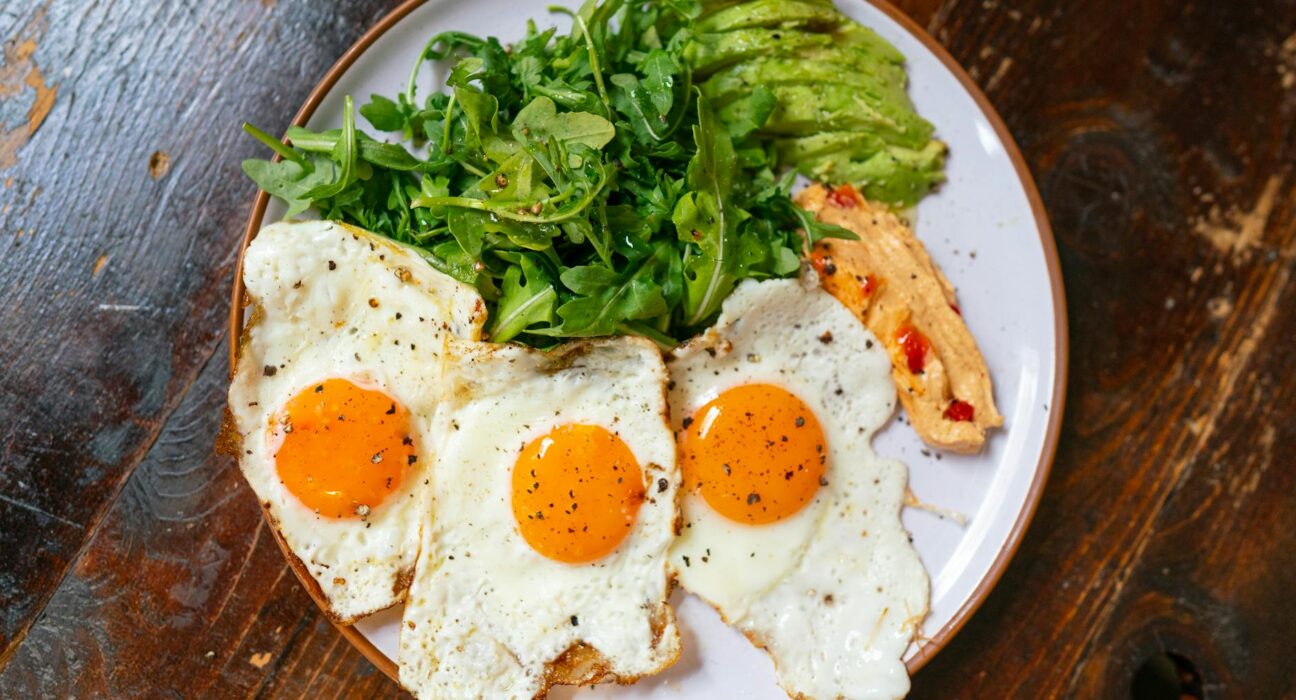
- Prioritise whole foods: Fatty fish, above-ground vegetables, and nuts.
- Monitor dairy intake: Some find full-fat dairy exacerbates inflammation.
- Consider timing: Cyclical keto, with slightly higher carbs during menstruation, may help some.
At Tesco, a weekly keto shop for adenomyosis might include:
- Frozen spinach (£1.20 per 500g)
- Tinned sardines (£1.85 for 120g)
- Extra virgin olive oil (£5 for 500ml)
keto electrolyte supplements become crucial when reducing carbs, as dehydration can worsen cramping.
Frequently Asked Questions
Can keto cure adenomyosis?
No diet can cure adenomyosis, but keto may support symptom management by addressing underlying inflammation and hormonal factors. Always consult a gynaecologist for treatment options.
How long before noticing changes?
Hormonal adjustments may take 2-3 menstrual cycles. Anti-inflammatory effects often appear within 4-6 weeks.
Are sweeteners safe with adenomyosis?
Some artificial sweeteners may disrupt gut bacteria linked to inflammation. Opt for small amounts of erythritol or stevia.
The Bottom Line
The ketogenic diet’s potential benefits for adenomyosis stem from its dual impact on hormones and inflammation. While not a substitute for medical treatment, it may complement conventional approaches by addressing metabolic contributors to pain and heavy bleeding. If you’d rather not do the macro maths yourself, the Keto Dieting app does it for you on Google Play and the App Store.
References
- Mavropoulos JC, Yancy WS, Hepburn J, Westman EC (2005). The effects of a low-carbohydrate, ketogenic diet on the polycystic ovary syndrome: a pilot study. Nutrition & Metabolism. https://doi.org/10.1186/1743-7075-2-35
- Paoli A, Rubini A, Volek JS, Grimaldi KA (2013). Beyond weight loss: a review of the therapeutic uses of very-low-carbohydrate (ketogenic) diets. European Journal of Clinical Nutrition. https://doi.org/10.1038/ejcn.2013.116