

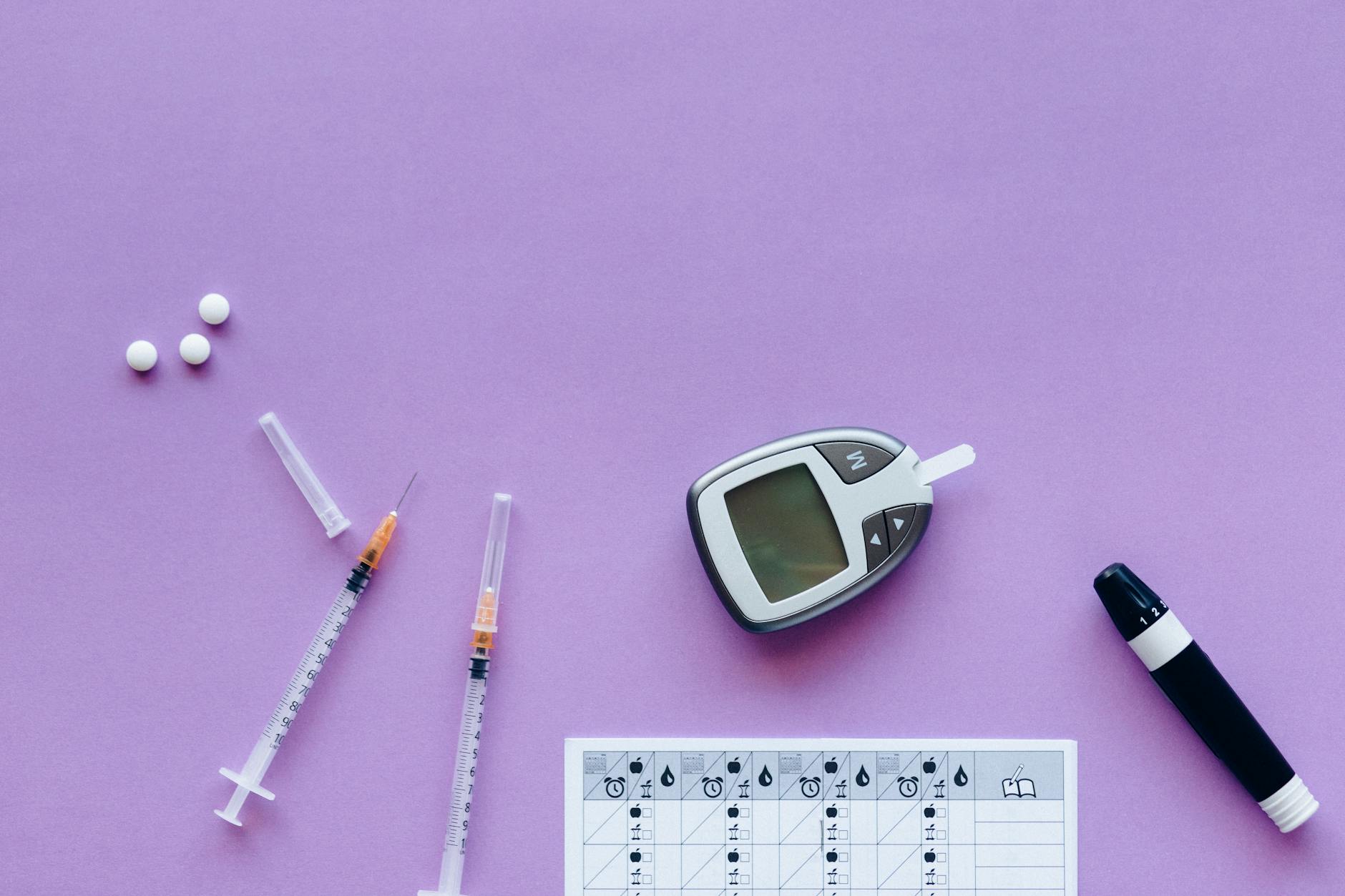
Continuous Glucose Monitors: What Keto Researchers Are Finding
The ketogenic diet alters how the body processes energy, shifting from glucose to fat as its primary fuel source. Researchers are increasingly using continuous glucose monitors (CGMs) to study these metabolic changes in real time. These devices, originally designed for people with diabetes, now provide unprecedented insights into how carbohydrate restriction affects blood sugar stability.
How CGMs Work in Ketogenic Research
CGMs measure interstitial glucose levels every few minutes, creating a detailed profile of blood sugar fluctuations. In ketogenic studies, they help quantify two key phenomena: reduced glucose variability and lower average glucose levels. A 2018 study published in Diabetes Therapy found that participants on a ketogenic diet showed significantly flatter glucose curves compared to those on higher-carb diets.
the keto adaptation timeline varies between individuals, but CGMs consistently show that glucose levels stabilise within days of starting carbohydrate restriction. This rapid response suggests the body’s metabolic flexibility may be greater than previously assumed.
Clinical Findings from CGM Data
Research teams at institutions like Virta Health have used CGMs to document how nutritional ketosis affects glucose control. Their 2019 study in Frontiers in Endocrinology followed participants for two years, demonstrating sustained improvements in blood sugar management. The CGM data revealed not just lower averages, but fewer extreme spikes and crashes.
Interestingly, common keto electrolyte mistakes can sometimes appear as anomalous glucose readings on CGMs. Dehydration or sodium depletion may trigger stress responses that temporarily elevate blood sugar, highlighting the importance of proper mineral balance.
What This Means in Practice
For UK residents considering CGMs, several options exist. The Freestyle Libre system costs approximately £100 per month without NHS prescription. At Tesco, you’ll find keto-friendly foods like £2.50 packs of cation-rich spinach that support stable glucose levels. Seasonal produce like autumn squash provides fibre without excessive carbs.
Frequently Asked Questions
Do you need diabetes to benefit from CGM data on keto? No. While CGMs were developed for diabetes management, researchers use them to study metabolic responses in people without diabetes. The data helps individuals understand personal carbohydrate tolerance.
How accurate are CGMs compared to finger-prick tests? Modern CGMs have an average error margin of about 9-10%, comparable to many home glucose meters. They’re most valuable for tracking trends rather than absolute values.
Can CGMs detect ketosis? No. CGMs measure glucose, not ketones. However, the inverse relationship between low glucose readings and likely ketone production can suggest when nutritional ketosis occurs.
The Bottom Line
Continuous glucose monitors provide objective evidence of how ketogenic diets stabilise blood sugar, with research showing benefits for metabolic health. While not essential for everyone, they offer valuable feedback for those fine-tuning their carbohydrate intake. If you’d rather not do the macro maths yourself, the Keto Dieting app does it for you on Google Play and the App Store.
References
- Hallberg SJ, McKenzie AL, Williams PT, et al. (2018). Effectiveness and Safety of a Novel Care Model for the Management of Type 2 Diabetes at 1 Year: An Open-Label, Non-Randomized, Controlled Study. Diabetes Therapy. https://doi.org/10.1007/s13300-018-0373-9
- Athinarayanan SJ, Adams RN, Hallberg SJ, et al. (2019). Long-Term Effects of a Novel Continuous Remote Care Intervention Including Nutritional Ketosis for the Management of Type 2 Diabetes: A 2-Year Non-randomized Clinical Trial. Frontiers in Endocrinology. https://doi.org/10.3389/fendo.2019.00348


