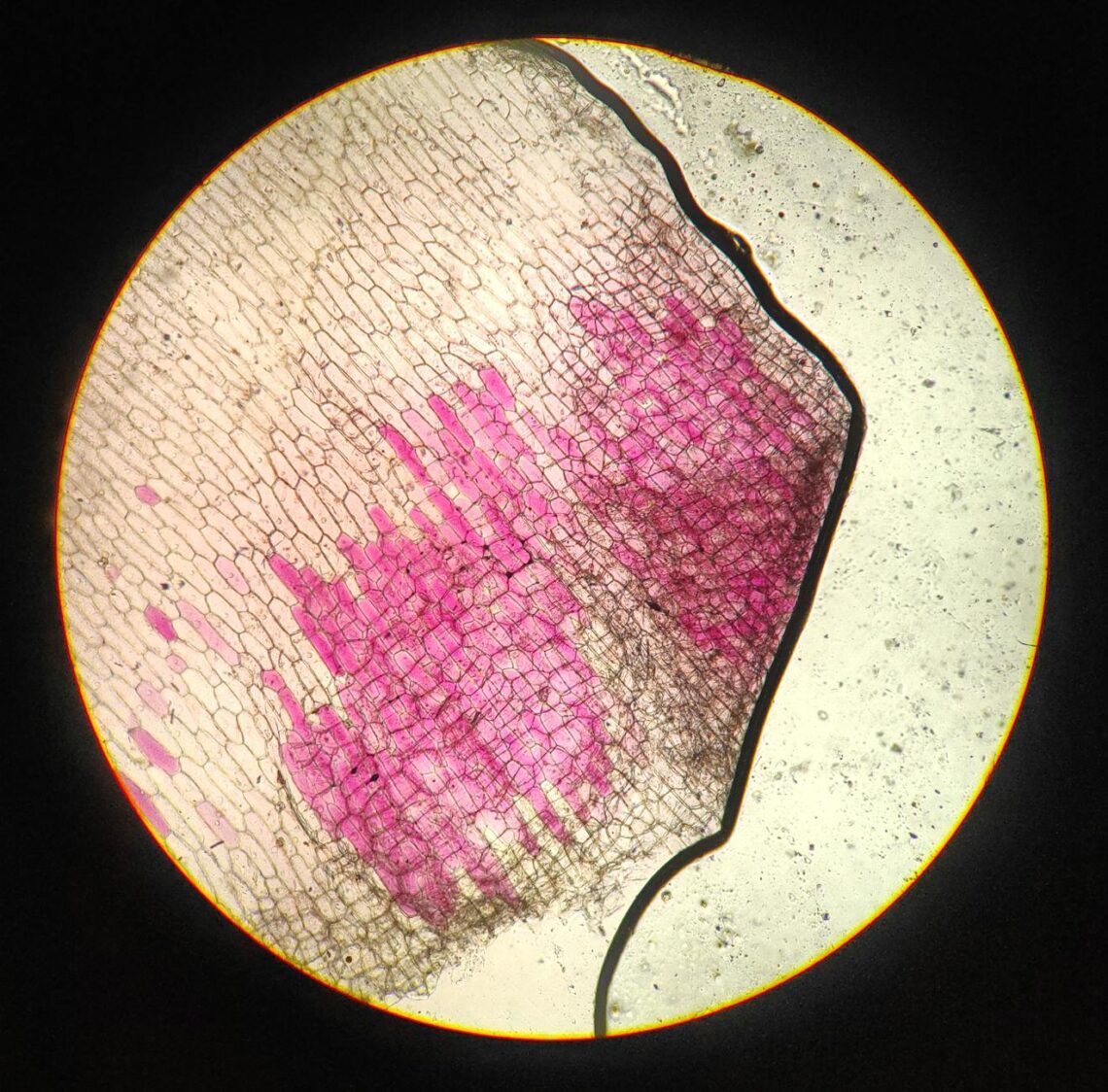
Cancer cells have unique metabolic characteristics that distinguish them from healthy cells. One key difference is the Warburg effect, a phenomenon where cancer cells preferentially use glycolysis (the breakdown of glucose) for energy, even when oxygen is plentiful. Understanding the role of ketones in cancer may open new avenues for research.
What is the Warburg Effect?
Otto Warburg, a Nobel laureate, first observed that cancer cells metabolise glucose differently. Instead of fully breaking down glucose in the mitochondria (the cell’s power plants) through oxidative phosphorylation, cancer cells primarily rely on glycolysis in the cytoplasm. This process is less efficient in terms of ATP (energy) production but allows cancer cells to grow rapidly. The exact reasons for the Warburg effect are still being investigated, but it’s thought to support rapid cell division and the synthesis of building blocks needed for new cells.
How Cancer Cells Use Glucose
Normal cells use glucose in a controlled manner, balancing glycolysis and oxidative phosphorylation based on energy needs and oxygen availability. Cancer cells, however, exhibit an increased rate of glucose uptake and glycolysis, even when oxygen is abundant. This leads to the production of lactate (lactic acid) as a byproduct, which is then exported from the cell. This altered metabolism supports the rapid growth and proliferation of cancer cells, allowing them to outcompete normal cells for resources.
The Role of Ketones
Ketones are produced when the body breaks down fat for energy, such as during a ketogenic diet or fasting. Unlike glucose, ketones can be efficiently metabolised by normal cells, even when glucose metabolism is impaired. Some research suggests that cancer cells may not be able to use ketones as effectively as normal cells, making ketones a less favourable fuel source for them. This difference in metabolic flexibility could potentially be exploited to target cancer cells while sparing healthy tissue. More research is needed to fully understand the complex interplay between cancer metabolism and ketone utilisation. The ketogenic diet and its effect on blood sugar is an area of active study.
What this means in practice
While research into cancer metabolism is ongoing, it’s important to remember that cancer is a complex disease with many contributing factors. Dietary changes should always be discussed with a qualified healthcare professional. The NHS offers guidance on healthy eating, but specific dietary recommendations for cancer management require individualised advice. For example, a 200g sirloin steak from Tesco costs around £7.50 and can be part of a balanced diet, but portion sizes and overall dietary patterns should be tailored to individual needs.
Frequently asked questions
Can the ketogenic diet cure cancer? The ketogenic diet is not a cure for cancer. While some studies suggest potential benefits in certain situations, it’s essential to consult with a healthcare professional for evidence-based guidance.
Does sugar feed cancer? Cancer cells often rely on glucose for energy, but eliminating sugar from your diet won’t necessarily eliminate cancer. A balanced diet and appropriate medical treatment are crucial.
Are there any risks to following a ketogenic diet during cancer treatment? The ketogenic diet can have potential side effects, and it may not be suitable for everyone, especially during cancer treatment. It’s important to discuss any dietary changes with your doctor or a registered dietitian.
The bottom line
Cancer metabolism differs significantly from that of healthy cells, with the Warburg effect being a key characteristic. Cancer cells favour glucose metabolism even when oxygen is plentiful. Ketones, produced during fat breakdown, may offer an alternative fuel source that cancer cells struggle to utilise. This is an active area of research, but dietary interventions should always be guided by healthcare professionals. If you’d rather not do the macro maths yourself, the macro tracker in the Keto Dieting app does it for you on Google Play and the App Store.
References
- Paoli A, Rubini A, Volek JS, Grimaldi KA (2013). Beyond weight loss: a review of the therapeutic uses of very-low-carbohydrate (ketogenic) diets. European Journal of Clinical Nutrition. https://doi.org/10.1038/ejcn.2013.116
- Mardinoglu A, Wu H, Bjornson E, et al. (2018). An Integrated Understanding of the Rapid Metabolic Benefits of a Carbohydrate-Restricted Diet on Hepatic Steatosis in Humans. Cell Metabolism. https://doi.org/10.1016/j.cmet.2018.01.005