Can you maintain a ketogenic diet while enjoying a holiday in Turkey? Absolutely. Turkish cuisine, while often featuring bread and rice, also offers a wealth of keto-friendly options. The key is to focus on whole, unprocessed foods and be mindful of hidden carbohydrates. This approach allows you to experience the rich flavours of Turkey without straying from your dietary goals.
Keto-Friendly Turkish Foods
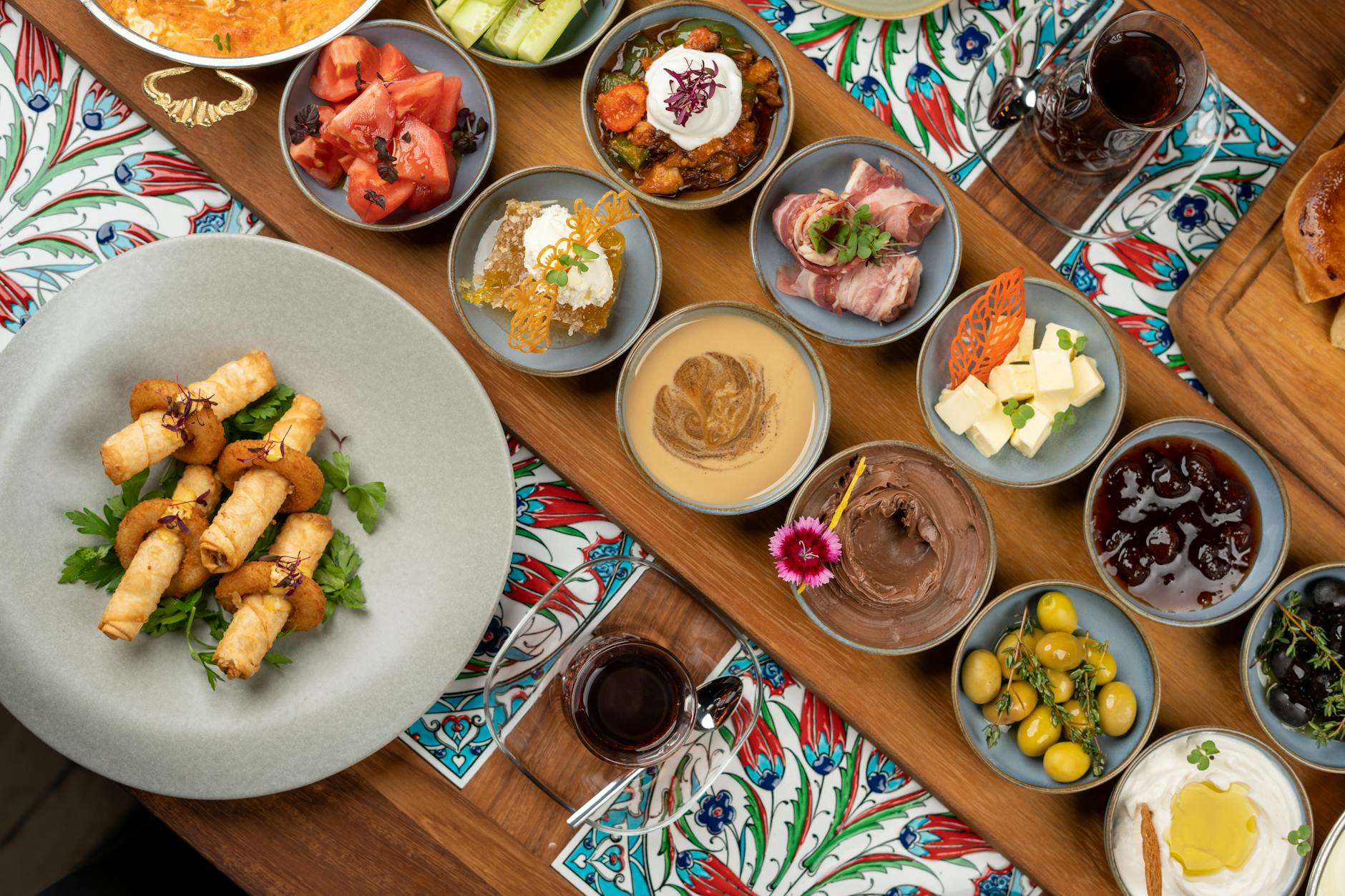
Many traditional Turkish dishes naturally align with a ketogenic lifestyle. Grilled meats like lamb and chicken are staples, and seafood is abundant in coastal regions. Look for dishes prepared with olive oil and fresh herbs. Salads, often served as part of a meze (appetiser) spread, can be a great source of healthy fats and fibre, just be mindful of dressings that may contain added sugar.
- Grilled Meats (Kuzu Şiş, Tavuk Şiş): Skewered lamb or chicken, seasoned simply and grilled to perfection.
- Seafood (Balık): Grilled or baked fish, such as sea bass or bream, is widely available.
- Köfte: While often containing breadcrumbs, you can sometimes find versions made with just meat and spices. Ask your server.
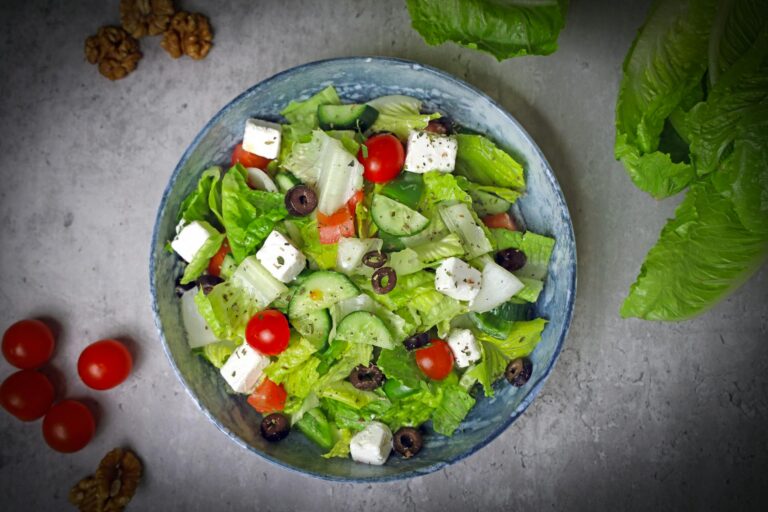
- Salads (Salata): Opt for salads with olive oil and lemon dressing, avoiding croutons or sugary additions.
- Eggs (Yumurta): A breakfast staple. Try menemen (Turkish scrambled eggs) without the bread.
Foods to Avoid or Limit
Certain Turkish foods are higher in carbohydrates and should be limited or avoided on a ketogenic diet. These include:
- Bread (Ekmek): A staple at most Turkish meals. Politely decline or ask for a smaller portion.
- Rice (Pilav): Often served as a side dish. Substitute with a salad or extra vegetables.
- Desserts (Tatlılar): Turkish desserts are typically very sweet and high in sugar. Avoid baklava, lokum (Turkish delight), and sütlaç (rice pudding).
- Fruit Juice (Meyve Suyu): Can be high in natural sugars. Stick to water or unsweetened tea.
- Yogurt with Honey (Bal ile Yoğurt): A common breakfast item, but the honey adds significant carbs. Opt for plain yogurt.
Navigating Restaurants and Markets
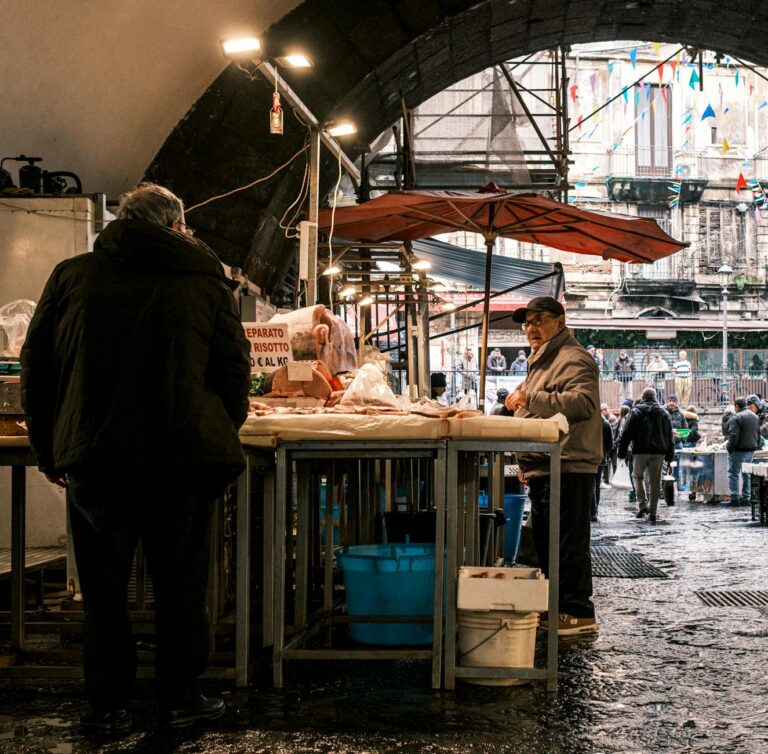
When eating out, communicate your dietary needs clearly. Use phrases like “şekersiz” (without sugar) and “ekmeksiz” (without bread). In local markets, you’ll find a wide array of fresh produce, cheeses, and olives that are perfect for keto-friendly snacks and meals. Be wary of pre-made sauces and dressings, which may contain added sugars or starches. Consider buying your own olive oil and lemon to dress salads.
What this means in practice
Imagine you’re at a restaurant in Istanbul. Instead of ordering a kebab with bread and rice, ask for a grilled lamb skewer with a side salad dressed with olive oil and lemon. You can find high-quality Turkish olive oil for around £8 a litre at Tesco, so you can even prepare your own keto-friendly dressings. Enjoying local cheeses like beyaz peynir (similar to feta) is another great way to experience Turkish flavours while staying in ketosis. Be sure to check the nutritional information of local cheeses to ensure they fit your macro goals.
Staying Hydrated and Replenishing Electrolytes
Maintaining adequate hydration and electrolyte balance is crucial on any ketogenic diet, especially in a hot climate like Turkey. Drink plenty of water throughout the day. Consider adding a pinch of sea salt to your water to help replenish sodium lost through sweat. You can also find electrolyte supplements at most pharmacies. Remember that electrolyte balance is key to feeling your best on keto.
Frequently asked questions
Is Turkish coffee keto-friendly?
Yes, Turkish coffee is naturally keto-friendly as it’s made with just coffee grounds and water. Just be sure to drink it black, without any added sugar or milk.
Can I eat olives on keto in Turkey?
Yes, olives are a great keto-friendly snack. Turkey is known for its high-quality olives, so enjoy them in moderation as part of your meal or as a snack.
What about ayran (a salty yogurt drink)?
Ayran can be keto-friendly if it’s made with plain yogurt and salt, without any added sugar. Check the ingredients to be sure.
The bottom line
Eating keto on holiday in Turkey is entirely feasible with a bit of planning and mindful choices. Focus on grilled meats, seafood, salads, and local cheeses while avoiding bread, rice, and sugary desserts. Communicate your dietary needs clearly when eating out, and enjoy the delicious flavours of Turkey without compromising your ketogenic lifestyle. If you’d rather not do the macro maths yourself, the macro tracker in the Keto Dieting app does it for you on Google Play and the App Store.
References
- Bueno NB, de Melo IS, de Oliveira SL, da Rocha Ataide T (2013). Very-low-carbohydrate ketogenic diet v. low-fat diet for long-term weight loss: a meta-analysis of randomised controlled trials. British Journal of Nutrition. https://doi.org/10.1017/S0007114513000548