
The Common Failure Patterns Successful People Avoid on Keto
The ketogenic diet requires more than just cutting carbs. Those who sustain it long-term share strategies to bypass predictable stumbling blocks. Understanding these patterns separates temporary attempts from lasting metabolic adaptation.
Mistake 1: Neglecting Electrolyte Balance
Newcomers often blame ‘keto flu’ on carb withdrawal when it’s primarily sodium, potassium and magnesium depletion. A 2013 study in the European Journal of Clinical Nutrition found ketosis alters fluid retention patterns (Sumithran et al., 2013). Successful keto adherents supplement with:
- 3-5g sodium daily (1 tsp salt)
- 1-3g potassium (avocados, leafy greens)
- 300-400mg magnesium (nuts, dark chocolate)
keto electrolyte supplements prevent cramps and fatigue. At Tesco, 200g of magnesium citrate costs £8.50.
Mistake 2: Overcomplicating Meals
Weeknight cooking needn’t involve exotic ingredients. The most consistent keto results come from repeating simple templates:
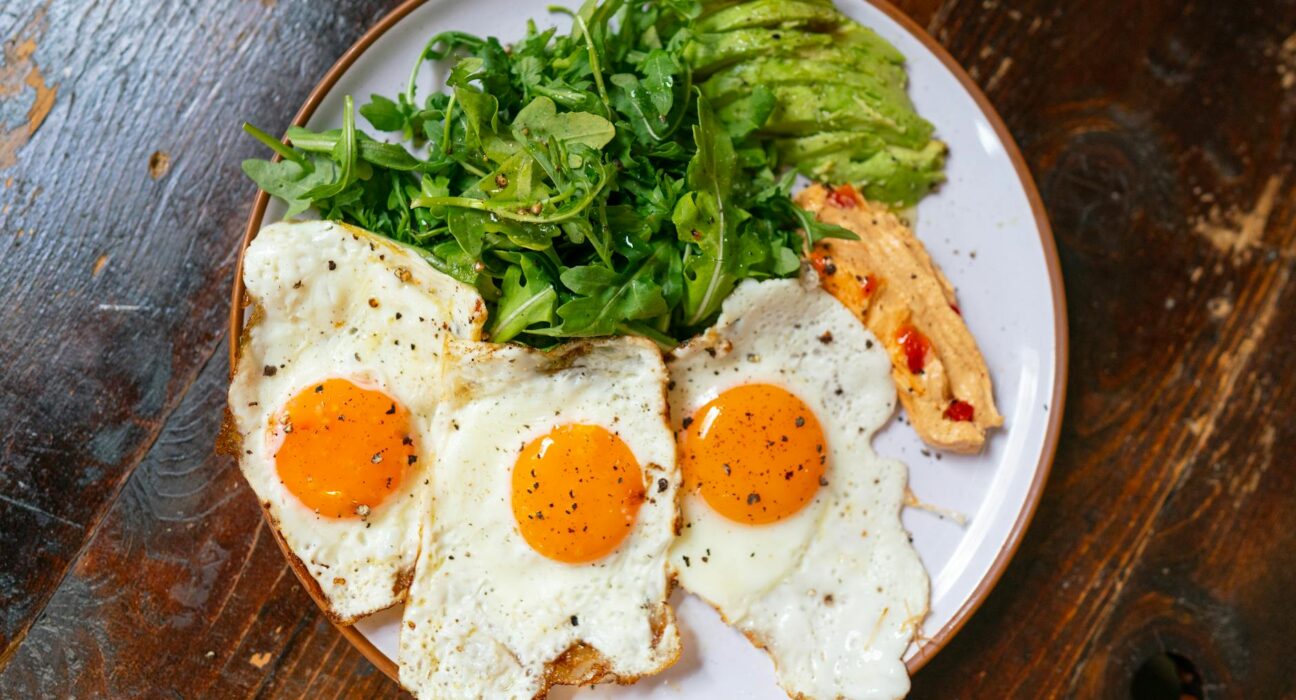
1. Protein + non-starchy veg + fat (e.g. chicken thighs with roasted broccoli and olive oil) 2. Egg-based meals (omelettes, frittatas) 3. One-pan dishes (stir-fries, sheet-pan bakes)
Batch cooking prevents decision fatigue. As autumn sets in, slow-cooked stews with beef shin (£9/kg at Sainsbury’s) become practical staples.
What This Means in Practice
Successful keto requires pragmatic adjustments to British lifestyles:
- Pub meals: Swap chips for side salads (most chains accommodate)
- Meal deals: Opt for protein boxes over sandwiches
- Coffee shops: Request heavy cream instead of milk (40p supplement at Pret)
Those who track macros initially gain awareness of hidden carbs in sauces, dressings and processed meats. intermittent fasting often emerges naturally as appetite regulates.
Mistake 3: Misjudging Protein Needs
Fear of gluconeogenesis leads some to undereat protein. In reality, as demonstrated in a 2018 Diabetes Therapy study, adequate protein preserves muscle mass during weight loss (Hallberg et al., 2018). Target:
- 1.2-2.0g protein per kg of lean mass
- 20-30g per meal for satiety
Frequently Asked Questions
How long until keto becomes effortless?
Most report 3-6 weeks for full adaptation. Energy stabilises, cravings diminish, and electrolyte needs decrease. Initial water weight loss isn’t indicative of long-term fat loss rates.
Can I drink alcohol on keto?
Spirits with zero-carb mixers (vodka+soda) have minimal impact. Dry wines contain 3-4g carbs per glass. Alcohol temporarily pauses ketosis as the liver prioritises metabolising it.
Why does my weight fluctuate daily?
Glycogen depletion causes initial water loss. Thereafter, hormonal cycles, fibre intake and sodium levels cause normal 1-2kg daily swings. Measure progress weekly, not daily.
The Bottom Line
The ketogenic diet fails when approached as a short-term fix rather than a metabolic reset. Successful practitioners anticipate electrolyte needs, simplify food choices, and ignore transient scale fluctuations. If you’d rather not do the macro maths yourself, the Keto Dieting app does it for you on Google Play and the App Store.
References
- Sumithran P, Prendergast LA, Delbridge E, et al. (2013). Ketosis and appetite-mediating nutrients and hormones after weight loss. European Journal of Clinical Nutrition. https://doi.org/10.1038/ejcn.2013.90
- Hallberg SJ, McKenzie AL, Williams PT, et al. (2018). Effectiveness and Safety of a Novel Care Model for the Management of Type 2 Diabetes at 1 Year: An Open-Label, Non-Randomized, Controlled Study. Diabetes Therapy. https://doi.org/10.1007/s13300-018-0373-9