

The I Look 10 Years Younger Phenomenon on Keto
People often remark they look younger after starting a ketogenic diet. This isn’t just vanity—there are physiological reasons why fat loss and metabolic changes might lead to a more youthful appearance. The ketogenic diet, by shifting the body’s primary fuel source from glucose to ketones, appears to influence several ageing-related pathways.
How Ketosis Affects Skin Quality
Reduced carbohydrate intake correlates with lower insulin levels, which in turn may decrease inflammation—a key driver of skin ageing. A 2013 study in the British Journal of Nutrition found that very-low-carbohydrate diets improved markers of oxidative stress (Bueno et al., 2013). Participants reported clearer skin, likely due to reduced insulin-mediated sebum production. keto adaptation timeline varies, but skin changes often appear within the first 8-12 weeks.
Weight Loss and Facial Structure
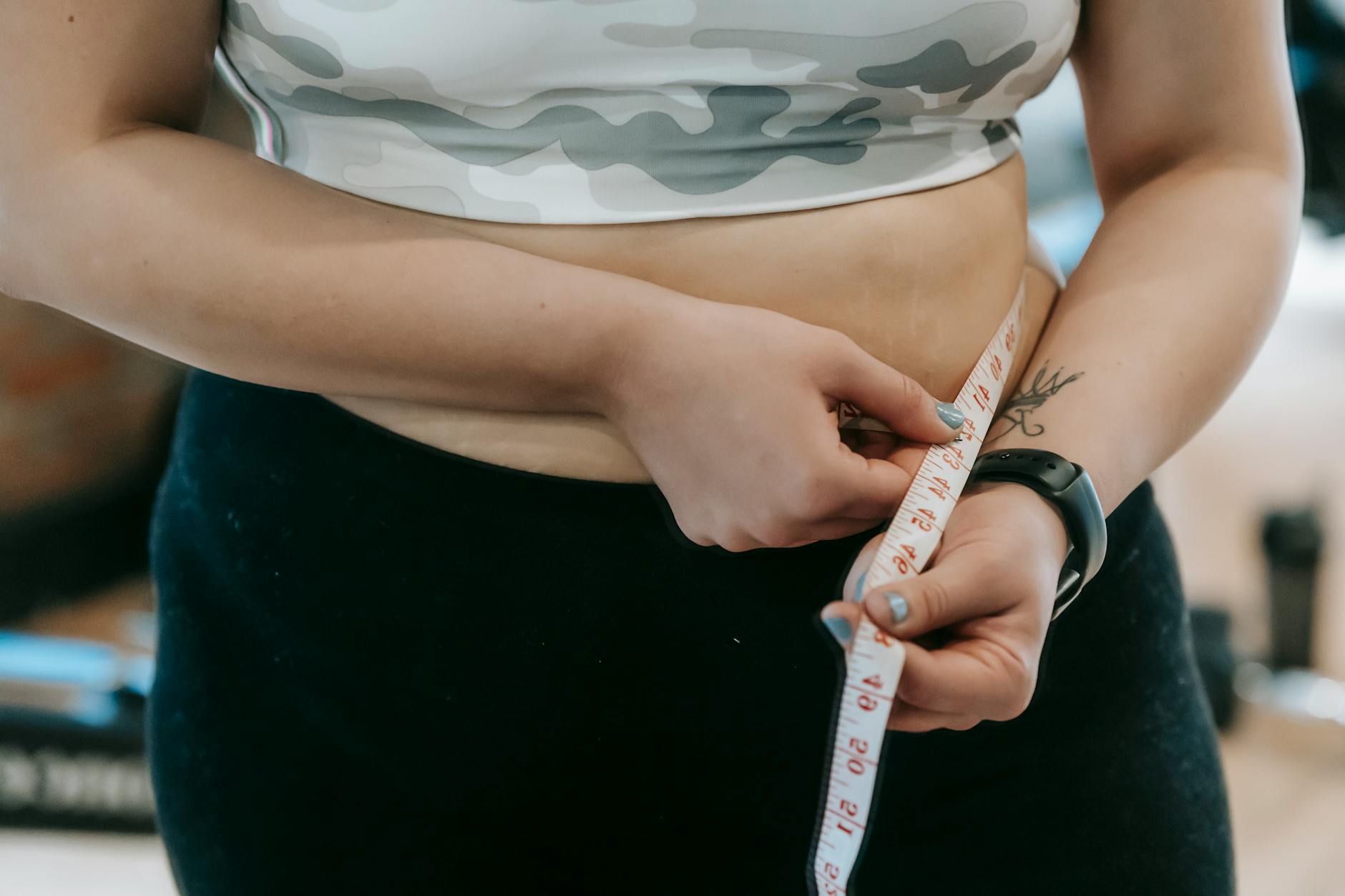
Losing excess weight redistributes facial fat pads, reducing the ‘puffy’ appearance associated with fluid retention and inflammation. The ketogenic diet’s diuretic effect in early stages leads to rapid water weight loss—around 2-4 kg in the first week for many. At Sainsbury’s, a 500g tub of coconut oil costs £2.50 and serves as a staple fat source that supports this process.
Metabolic Shifts and Cellular Ageing
Ketones themselves may have anti-ageing properties. Research suggests they upregulate pathways that protect cells from damage. A 2019 study in Frontiers in Endocrinology noted improved mitochondrial function in people following nutritional ketosis for type 2 diabetes management (Athinarayanan et al., 2019). Healthier mitochondria—the energy powerhouses of cells—contribute to better skin elasticity and fewer wrinkles.
What This Means in Practice
UK supermarkets now stock keto-friendly options year-round. In winter, when fresh berries are expensive, frozen raspberries at £1.80 per 300g bag from Tesco make a low-carb alternative. Pair them with double cream (£1.15 for 300ml at Aldi) for a dessert that fits the macros. The NHS doesn’t endorse specific diets but acknowledges that low-carb approaches can help some people lose weight sustainably.
Frequently Asked Questions
How long until I see changes in my appearance?
Most notice reduced puffiness within days due to water loss. Skin clarity improvements take 4-12 weeks. Full facial recomposition—where underlying fat pads redistribute—may require 6 months of consistent ketosis.
Will keto help with wrinkles?
Indirectly. By reducing blood sugar spikes that damage collagen, and potentially increasing NAD+ levels (a coenzyme linked to skin repair), some report diminished fine lines. Always use sunscreen—keto doesn’t prevent UV damage.
Do I need special skincare products?
Not necessarily. Many find they need less moisturiser as sebum production normalises. A simple routine with a £5.99 glycerin soap from Boots often suffices once inflammation decreases.
The Bottom Line
The ‘look younger’ effect stems from multiple factors: reduced inflammation, water loss exposing bone structure, and possibly cellular changes from ketosis itself. While not a fountain of youth, the ketogenic diet often reveals one’s underlying features more clearly. If you’d rather not do the macro maths yourself, the Keto Dieting app does it for you on Google Play and the App Store.
References
- Bueno NB, de Melo IS, de Oliveira SL, da Rocha Ataide T (2013). Very-low-carbohydrate ketogenic diet v. low-fat diet for long-term weight loss: a meta-analysis of randomised controlled trials. British Journal of Nutrition. https://doi.org/10.1017/S0007114513000548
- Athinarayanan SJ, Adams RN, Hallberg SJ, et al. (2019). Long-Term Effects of a Novel Continuous Remote Care Intervention Including Nutritional Ketosis for the Management of Type 2 Diabetes: A 2-Year Non-randomized Clinical Trial. Frontiers in Endocrinology. https://doi.org/10.3389/fendo.2019.00348