
Anonymised Case Study: Reversing Prediabetes on Keto
The ketogenic diet has been studied for its potential effects on blood sugar regulation. This anonymised case study follows a 52-year-old British man who reversed his prediabetes markers over six months through carbohydrate restriction.
Background
John (not his real name) was diagnosed with prediabetes after routine NHS blood tests showed fasting glucose of 6.2 mmol/L and HbA1c of 42 mmol/mol (6.0%). At 178 cm tall and 89 kg, his GP recommended losing 5-10% body weight but didn’t specify a dietary approach. He began researching low-carb diets for blood sugar control after a colleague mentioned improvements in metabolic health markers.
Method
John adopted a ketogenic diet with:
- <20g net carbs daily
- 70-75% calories from fat (mostly olive oil, butter, fatty fish)
- 20% protein (grass-fed beef, free-range poultry)
- Daily electrolytes (Sainsbury’s own-brand magnesium citrate tablets, £3.50 for 90)
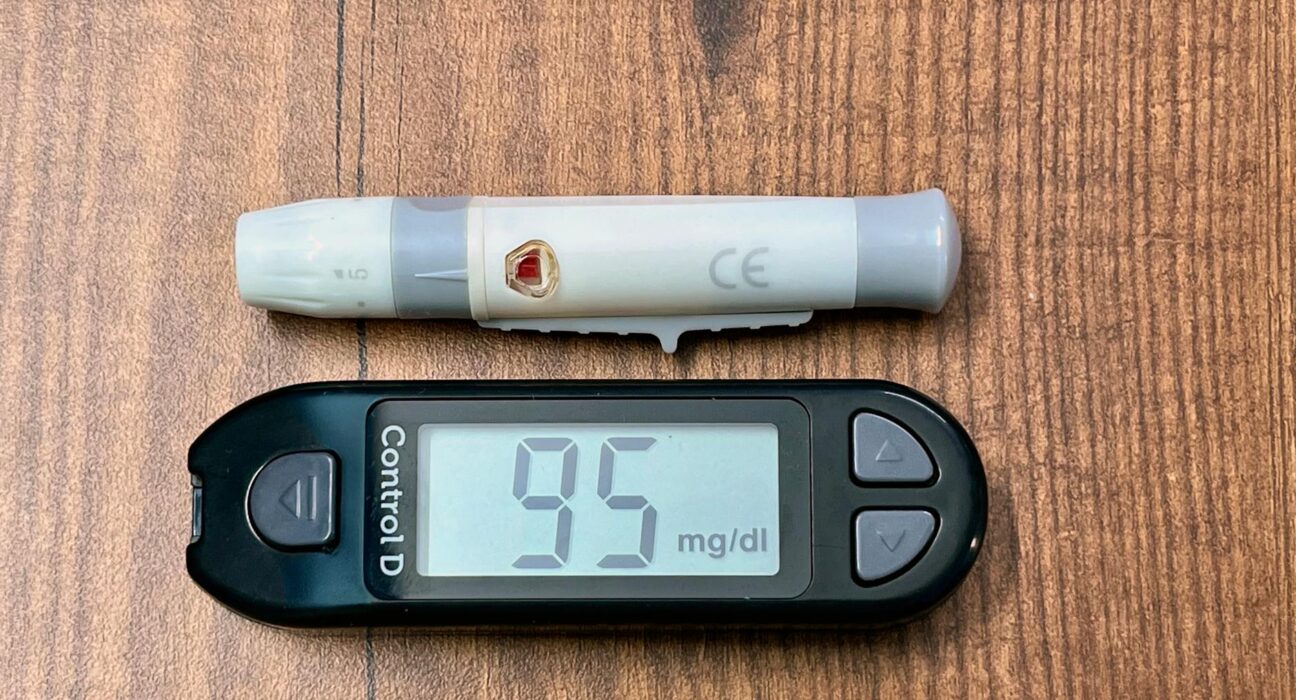
He tracked macros using the Keto Dieting app and tested ketones weekly with a meter purchased from Boots (£24.99 for 10 strips).
Results
At six months:
- Weight: 76 kg (13 kg loss)
- HbA1c: 37 mmol/mol (5.5%)
- Fasting glucose: 5.4 mmol/L
- Blood pressure dropped from 142/88 to 128/78 mmHg
His GP noted these changes met the NHS criteria for prediabetes remission. Research suggests carbohydrate restriction may improve insulin sensitivity independent of weight loss (Hyde et al., 2019).
What This Means in Practice
John’s weekly shop at Tesco included:
- Double cream (£1.40 for 300ml)
- Cauliflower rice (£1.50 per 500g bag)
- Sardines in olive oil (£1.10 per tin)
He found winter months easier for keto adherence with hearty stews, while summer required more planning for barbecues. NHS guidelines now acknowledge low-carb approaches for people with type 2 diabetes, though prediabetes management remains less clearly defined.
Frequently Asked Questions
How quickly did blood sugar improve? John saw fasting glucose drop within two weeks, while HbA1c (reflecting 3-month averages) took three months to normalise. Rapid changes are common when reducing carbohydrate intake (Yancy et al., 2005).
Were any foods particularly helpful? Leafy greens with olive oil became staple sides. Tesco’s frozen spinach (£0.85 per 500g) provided fibre without spiking glucose. Eggs (£2.20 for 12 free-range) formed an affordable protein base.
Did exercise change? John maintained his 30-minute daily walks but added resistance training twice weekly after noticing easier recovery on keto. Research suggests combining ketosis with strength training may preserve lean mass during weight loss (Paoli et al., 2013).
The Bottom Line
This anonymised case study illustrates how a ketogenic diet may support prediabetes reversal, particularly when combined with consistent tracking and medical supervision. Individual results vary, but the mechanisms align with current understanding of carbohydrate metabolism in insulin resistance. If you’d rather not do the macro maths yourself, the Keto Dieting app does it for you on Google Play and the App Store.
References
- Hyde PN, Sapper TN, Crabtree CD, et al. (2019). Dietary carbohydrate restriction improves metabolic syndrome independent of weight loss. JCI Insight. https://doi.org/10.1172/jci.insight.128308
- Yancy WS, Foy M, Chalecki AM, Vernon MC, Westman EC (2005). A low-carbohydrate, ketogenic diet to treat type 2 diabetes. Nutrition & Metabolism. https://doi.org/10.1186/1743-7075-2-34
- Paoli A, Rubini A, Volek JS, Grimaldi KA (2013). Beyond weight loss: a review of the therapeutic uses of very-low-carbohydrate (ketogenic) diets. European Journal of Clinical Nutrition. https://doi.org/10.1038/ejcn.2013.116