

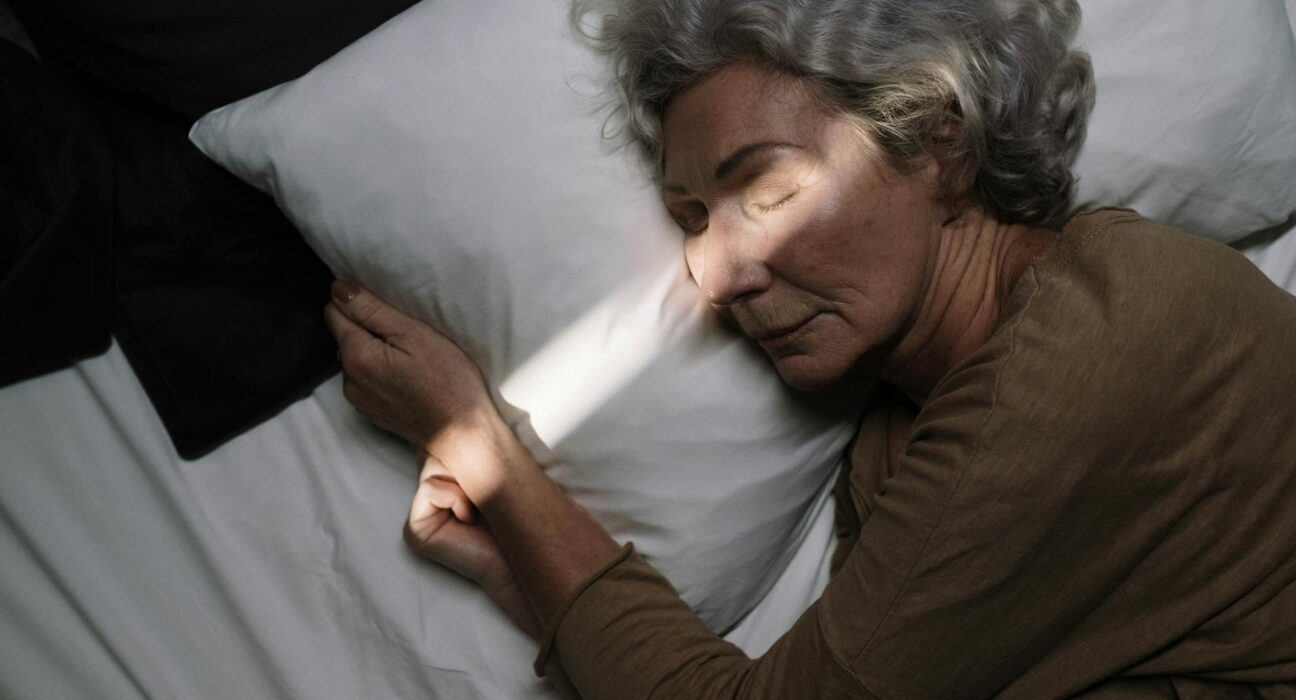
Sleep in Perimenopause and the Ketogenic Diet
Perimenopause often brings disrupted sleep patterns, with night sweats and blood sugar fluctuations contributing to restless nights. The ketogenic diet, by altering how the body processes energy, may offer some women a way to stabilise these physiological changes. Research suggests that metabolic shifts during ketosis could influence both core body temperature regulation and hormonal balance.
How Perimenopause Affects Sleep
Between the ages of 45 and 55, most women experience declining oestrogen levels that directly impact thermoregulation. The hypothalamus becomes more sensitive to small temperature changes, triggering night sweats even in cool bedrooms. A 2013 study in the European Journal of Clinical Nutrition found that ketosis alters the body’s metabolic rate and heat production patterns, potentially reducing the frequency of these episodes.
Blood sugar instability compounds the problem. As insulin sensitivity decreases during perimenopause, glucose spikes and crashes can wake women at 3 AM. the keto adaptation timeline shows that after 3-4 weeks, many report more stable overnight energy levels without the sharp dips that disrupt sleep architecture.
The Keto Mechanism for Sleep Support
Ketones produce adenosine, a neurotransmitter that promotes deep sleep, more efficiently than glucose metabolism. This may explain why some women on keto diets report reaching restorative sleep stages faster. The diet’s effect on GABA receptors – the same neurotransmitters targeted by sleep medications – could also play a role, though more research is needed specifically in perimenopausal populations.
Magnesium deficiency, common in both perimenopause and early keto adaptation, exacerbates muscle cramps and restless legs. A 500 g bag of magnesium citrate flakes from Boots costs £8.99 and can be added to evening baths. common keto electrolyte mistakes often include neglecting this mineral.
What This Means in Practice
UK supermarkets now stock keto-friendly sleep aids. Sainsbury’s sells a £4.50 200g tub of pumpkin seeds – rich in tryptophan and magnesium – in the nuts aisle. Having these with chamomile tea (39p at Aldi) two hours before bed provides sleep-supporting nutrients without carbohydrates that might spike blood sugar.
Blackout curtains help, but so does keeping the bedroom at 18°C – challenging during British heatwaves. A small fan pointed at the feet (not face) improves thermal comfort without the drying effect of central heating.
Frequently Asked Questions
How long before I see sleep improvements on keto?
Most women notice changes in night sweat frequency within 2-3 weeks, but sleep architecture improvements often take 6-8 weeks of consistent ketosis as the brain adapts to using ketones efficiently overnight.
Won’t keto make hot flashes worse initially?
Some report a temporary increase in symptoms during the first 7-10 days as the body switches fuel sources. Staying hydrated with electrolyte-rich drinks usually mitigates this.
Are there specific keto foods that help sleep?
Fatty fish like salmon (£3.50 for 240g at Tesco) provides vitamin D and omega-3s linked to serotonin production. Full-fat Greek yoghurt with a tablespoon of almond butter offers tryptophan without spiking blood sugar.
The Bottom Line
The ketogenic diet’s effects on metabolic flexibility and neurotransmitter production may offer perimenopausal women a non-pharmacological path to better sleep. By addressing both the thermal dysregulation and blood sugar instability underlying many sleep disruptions, keto could help restore restful nights. If you’d rather not do the macro maths yourself, the Keto Dieting app does it for you on Google Play and the App Store.
References
- Sumithran P, Prendergast LA, Delbridge E, et al. (2013). Ketosis and appetite-mediating nutrients and hormones after weight loss. European Journal of Clinical Nutrition. https://doi.org/10.1038/ejcn.2013.90
- Mavropoulos JC, Yancy WS, Hepburn J, Westman EC (2005). The effects of a low-carbohydrate, ketogenic diet on the polycystic ovary syndrome: a pilot study. Nutrition & Metabolism. https://doi.org/10.1186/1743-7075-2-35