Berberine: Nature’s Metformin and the Keto Diet
Berberine, a compound found in plants like goldenseal and barberry, has drawn comparisons to the diabetes medication metformin. Research suggests this yellow alkaloid may support blood sugar regulation, making it relevant for those following a ketogenic diet. The mechanism involves activation of AMP-activated protein kinase (AMPK), an enzyme sometimes called a “metabolic master switch.”
How Berberine Works
Berberine appears to influence glucose metabolism through multiple pathways. Studies indicate it may improve insulin sensitivity, reduce liver glucose production, and slow carbohydrate absorption in the gut. A 2008 study published in Metabolism found berberine’s effects on blood glucose comparable to metformin in people with type 2 diabetes (Yin et al., 2008).
Berberine and Ketosis
For those maintaining nutritional ketosis, berberine may offer complementary benefits. Research in the Journal of Clinical Endocrinology & Metabolism demonstrated berberine’s potential to lower fasting blood glucose without causing hypoglycemia (Zhang et al., 2010). This could be particularly useful during the keto adaptation period when some experience temporary insulin resistance.
What This Means in Practice
In the UK, berberine supplements typically cost £15-£25 for a month’s supply at Boots or Holland & Barrett. Unlike prescription metformin, berberine doesn’t require an NHS consultation. However, the NHS advises discussing any supplement use with your GP, especially if taking medications. During winter months when fresh produce is scarce, berberine may help mitigate blood sugar spikes from seasonal carbohydrate cravings.
Potential Considerations
Berberine has a short half-life, requiring 2-3 daily doses for sustained effect. Some report mild digestive discomfort initially. A 2012 review in Planta Medica noted berberine’s generally good safety profile, though long-term studies are limited (Imenshahidi et al., 2012). Those with fatty liver concerns might find particular value in its potential hepatic benefits.
Frequently Asked Questions
Q: Can berberine replace metformin?
A: While some studies show comparable effects, never discontinue prescribed medication without medical supervision. Berberine may complement treatment under professional guidance (60 words).
Q: How does berberine taste?
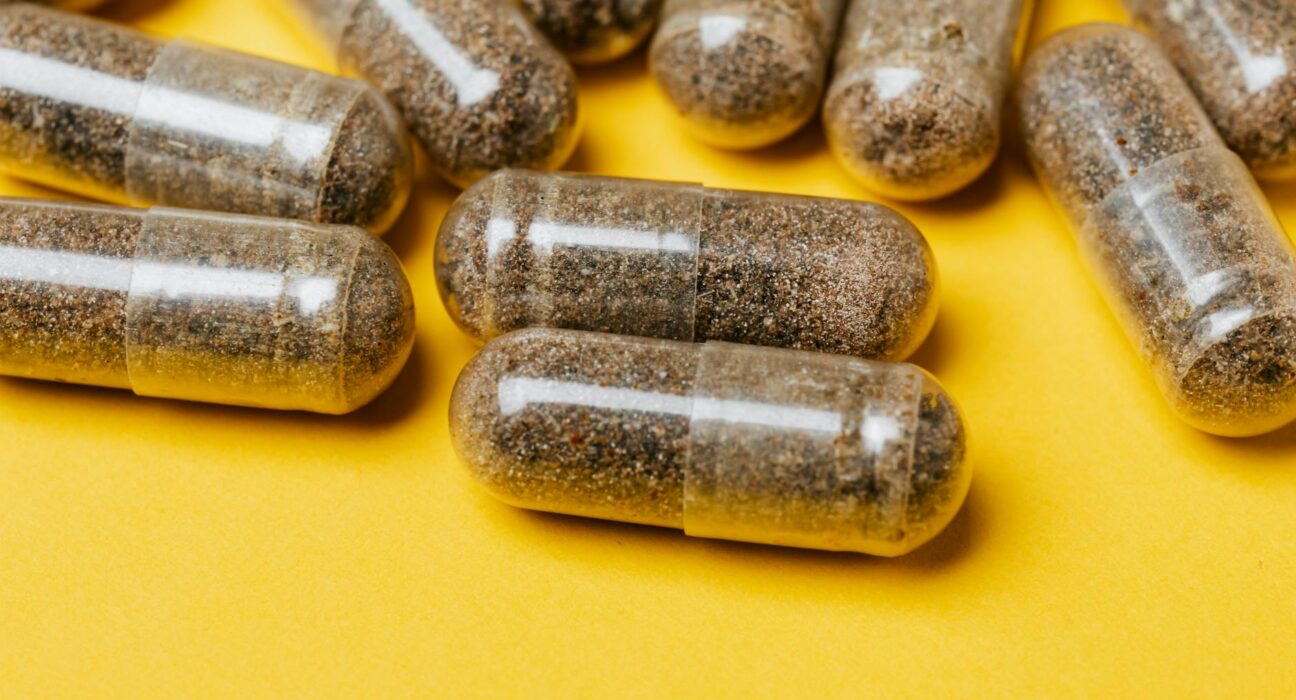
A: The compound has a distinctly bitter flavour, often masked in capsule form. Traditional preparations like Chinese huang lian use it for its astringent properties (45 words).
Q: Are there food sources of berberine?
A: Goldenseal, Oregon grape, and barberry contain berberine, though in amounts typically too small for therapeutic effects. Supplements provide standardised doses (50 words).
The Bottom Line
Berberine represents a promising plant compound for metabolic support, particularly alongside a ketogenic diet. Its mechanisms overlap with pharmaceutical approaches while coming from natural sources. Current evidence suggests potential benefits for blood sugar management and insulin sensitivity. If you’d rather not do the macro maths yourself, the Keto Dieting app does it for you on Google Play and the App Store.
References
- Yin J, Xing H, Ye J (2008). Efficacy of berberine in patients with type 2 diabetes mellitus. Metabolism. https://doi.org/10.1016/j.metabol.2008.01.013
- Zhang H, Wei J, Xue R (2010). Berberine lowers blood glucose in type 2 diabetes mellitus patients through increasing insulin receptor expression. Journal of Clinical Endocrinology & Metabolism. https://doi.org/10.1210/jc.2009-2347
- Imenshahidi M, Hosseinzadeh H (2012). Berberine and barberry (Berberis vulgaris): A clinical review. Planta Medica. https://doi.org/10.1055/s-0032-1315078