
Keto Beef Jerky on a Budget
Craving a savoury, high-protein snack on your ketogenic diet? Beef jerky is a popular choice, but the cost can quickly add up. The ketogenic diet relies on high fat and moderate protein, with very few carbohydrates. Fortunately, it’s possible to enjoy keto beef jerky on a budget with a few smart strategies.
Understanding the Cost Factors
Several factors contribute to the price of beef jerky. Premium cuts of meat, artisanal seasonings, and small-batch production often come with a higher price tag. Pre-packaged jerky from well-known brands also tends to be more expensive due to marketing and distribution costs. Keep an eye on the carbohydrate count, as some brands add sugar or other sweeteners that aren’t keto-friendly. reading keto food labels is essential.
Smart Shopping Strategies
- Buy in bulk: Purchasing larger quantities of beef jerky can significantly reduce the per-unit cost. Look for bulk options at warehouse clubs or online retailers.
- Compare prices: Don’t settle for the first option you see. Check prices at different stores and online marketplaces to find the best deals. Supermarkets like Tesco and Sainsbury’s often have sales on snacks. A 100g bag of jerky can range from £3.50 to £6.00, so comparing is worthwhile.
- Consider store brands: Supermarket own-brand beef jerky is often cheaper than name-brand options without sacrificing quality. Check the ingredients and nutritional information to ensure it fits your keto macros.
- Look for discounts and promotions: Keep an eye out for sales, coupons, and promotional offers on beef jerky. Sign up for email newsletters from your favourite stores to stay informed about upcoming deals.
DIY Keto Beef Jerky
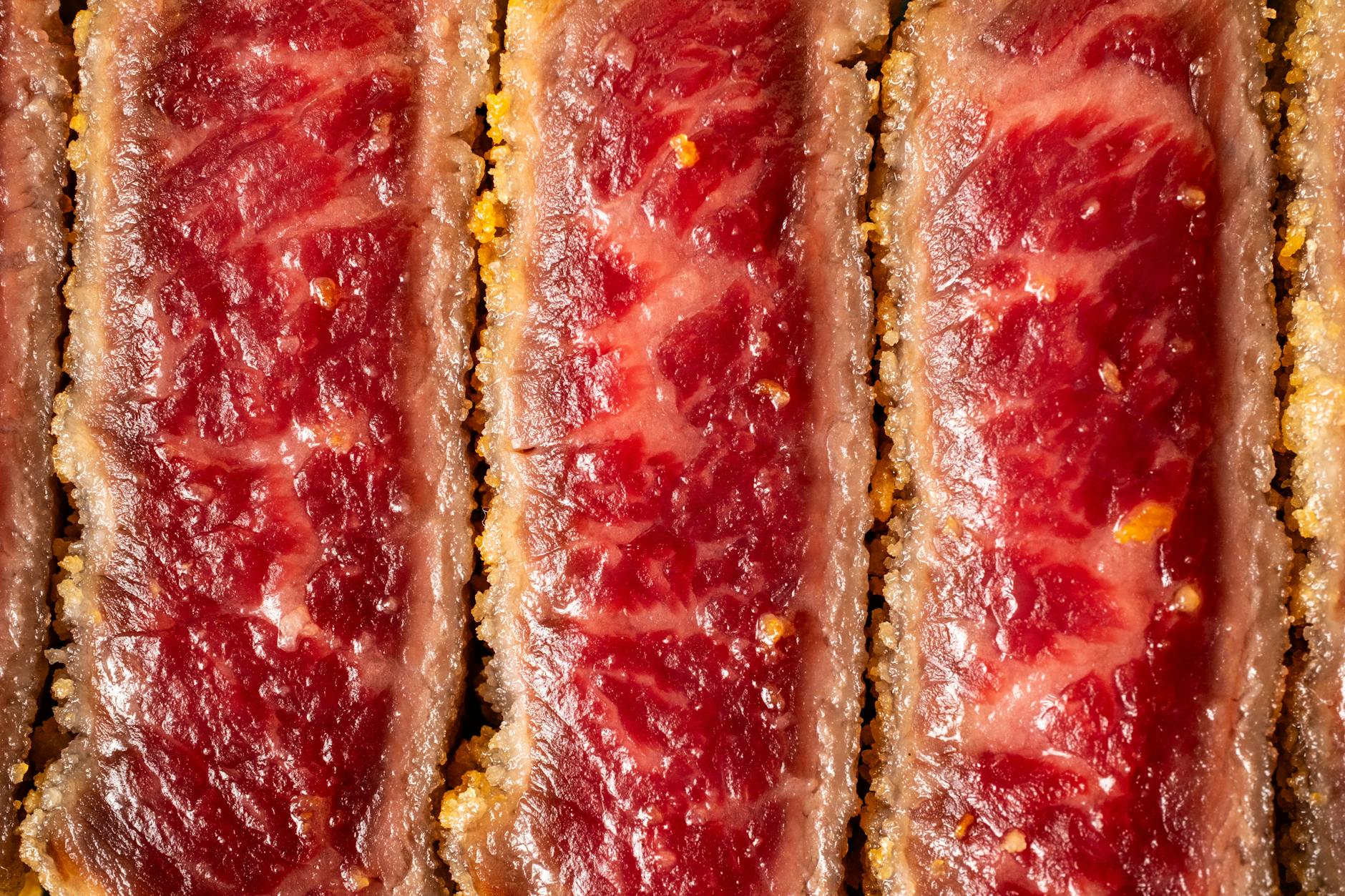
Making your own beef jerky is another excellent way to save money and control the ingredients. You’ll need a dehydrator or an oven that can be set to a low temperature. Choose a lean cut of beef, such as sirloin or flank steak. Marinate the beef in a keto-friendly mixture of soy sauce (or coconut aminos), Worcestershire sauce, spices, and liquid smoke. Dehydrate or bake the beef until it reaches the desired level of dryness. keto marinade recipes can be easily found online.
What This Means in Practice
Let’s say you’re at Tesco looking for a keto-friendly snack. A 50g bag of a well-known beef jerky brand might cost £4.00. However, Tesco’s own-brand version, with similar nutritional values, could be priced at £3.00 for the same quantity. By opting for the store brand, you save £1.00 per bag. Over a week, those savings add up. Always check the carbohydrate content on the label to ensure it fits your keto goals. Many jerky products add sugar, so scrutinise that nutritional panel.
Frequently Asked Questions
Is all beef jerky keto-friendly?
No, not all beef jerky is keto-friendly. Many commercially available brands contain added sugars, marinades, or other ingredients that can increase the carbohydrate content. Always check the nutrition label to ensure the jerky fits your macro goals.
What ingredients should I avoid in beef jerky?
Avoid beef jerky with added sugars (such as corn syrup, dextrose, or sucrose), honey, maltodextrin, and excessive amounts of sodium. Also, be mindful of marinades that may contain non-keto ingredients.
How much beef jerky can I eat on keto?
The amount of beef jerky you can eat on keto depends on your individual macro targets. Track your intake to ensure you stay within your carbohydrate limit. A typical serving size is about 28 grams (1 ounce).
The Bottom Line
Enjoying keto beef jerky on a budget is achievable with some careful planning and smart shopping. By comparing prices, buying in bulk, and considering store brands, you can satisfy your cravings without overspending. Making your own beef jerky is an even more cost-effective option, allowing you to control the ingredients and tailor the flavour to your liking. If you’d rather not do the macro maths yourself, the macro tracker in the Keto Dieting app does it for you on Google Play and the App Store.
References
- Bueno NB, de Melo IS, de Oliveira SL, da Rocha Ataide T (2013). Very-low-carbohydrate ketogenic diet v. low-fat diet for long-term weight loss: a meta-analysis of randomised controlled trials. British Journal of Nutrition. https://doi.org/10.1017/S0007114513000548
- Sumithran P, Prendergast LA, Delbridge E, et al. (2013). Ketosis and appetite-mediating nutrients and hormones after weight loss. European Journal of Clinical Nutrition. https://doi.org/10.1038/ejcn.2013.90