
Ketones and Cognitive Performance: What Studies Show
Can a ketogenic diet sharpen your mind? The ketogenic diet, which is very low in carbohydrates, forces the body to switch from burning glucose to burning fat, producing ketones as an alternative fuel source. These ketones can then be used by the brain, potentially influencing cognitive performance. But what does the science actually say?
The Link Between Ketones and Brain Function
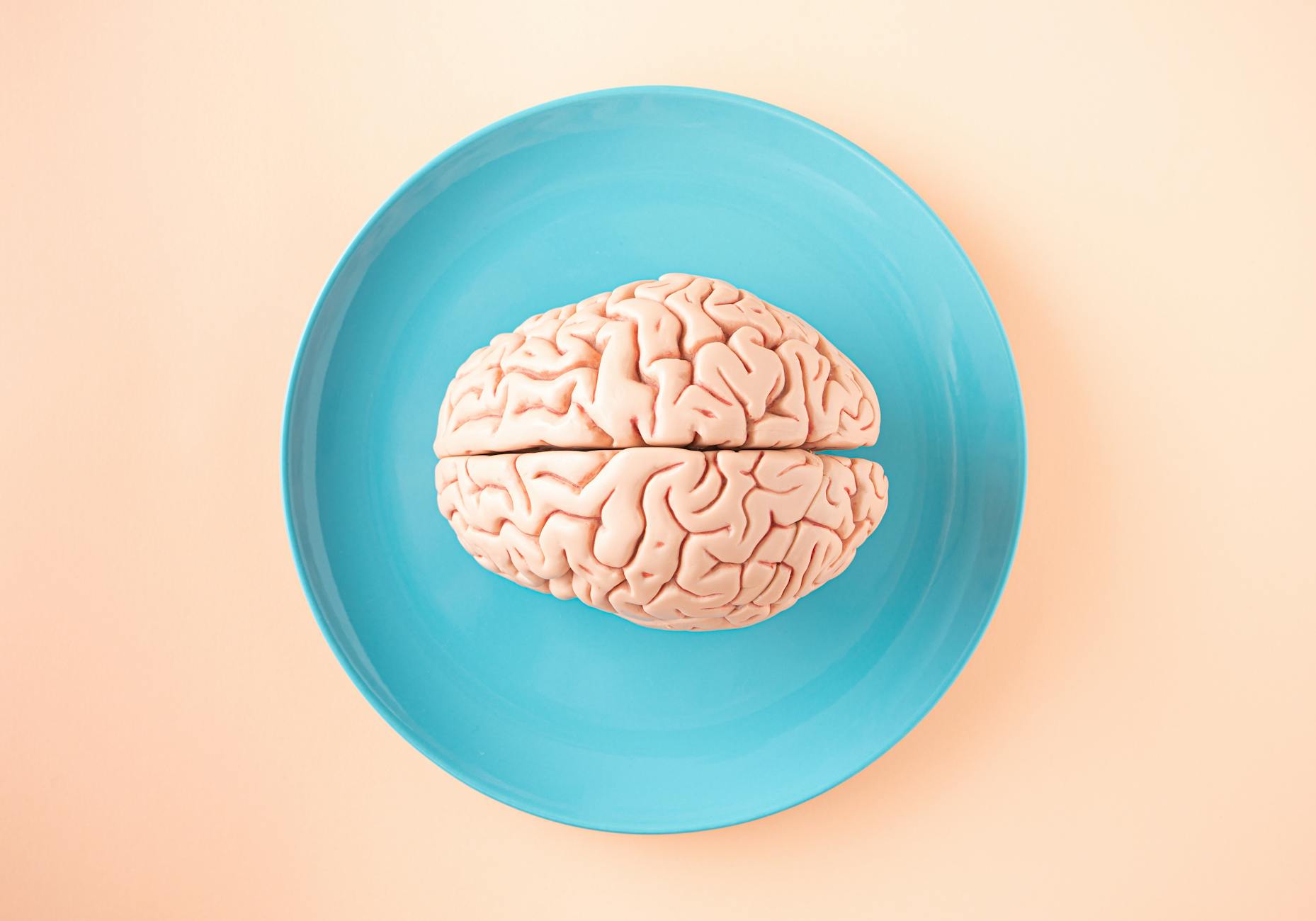
The brain, while only about 2% of body mass, consumes around 20% of the body’s energy. Glucose is its primary fuel, but ketones offer an alternative. Some researchers propose that ketones may offer a more efficient fuel source for the brain compared to glucose, particularly when glucose metabolism is impaired. This is because ketones can cross the blood-brain barrier and be readily used by neurons for energy. the role of MCT oil in ketosis may also play a role.
What the Studies Reveal
While research is ongoing, some studies suggest potential cognitive benefits from ketones. These include:
- Improved Memory: Some preliminary studies indicate that a ketogenic diet might improve memory function, particularly in older adults or those with mild cognitive impairment. However, more extensive research is needed to confirm these findings.
- Enhanced Focus and Attention: Anecdotal evidence and some small studies suggest that ketones may promote better focus and attention. This could be due to the stable energy supply ketones provide, avoiding the blood sugar spikes and crashes associated with carbohydrate-rich diets.
- Neuroprotective Effects: Research suggests ketones may have neuroprotective properties, potentially benefiting individuals at risk of neurological disorders. This area of research is still developing, but the early results are promising.
It’s important to note that these findings are not conclusive, and more research is needed to fully understand the impact of ketones on cognitive performance. Individual responses to ketogenic diets can also vary significantly.
What this Means in Practice
Incorporating more ketone-friendly foods into your diet might be easier than you think. For example, avocados, rich in healthy fats, are readily available at most UK supermarkets like Tesco, where you can find them for around £1.20 each. However, remember that a full ketogenic diet requires careful planning to ensure nutritional adequacy. It’s always a good idea to consult with a healthcare professional or registered dietitian before making significant dietary changes.
Caveats and Considerations
While the potential cognitive benefits of ketones are intriguing, it’s essential to consider the following:
- Individual Variability: The effects of a ketogenic diet on cognitive performance can vary significantly from person to person. Factors such as genetics, overall health, and adherence to the diet can all play a role.
- Long-Term Effects: The long-term effects of a ketogenic diet on cognitive function are not yet fully understood. More research is needed to assess the potential benefits and risks of long-term ketone use.
- Dietary Considerations: A ketogenic diet can be restrictive and may require careful planning to ensure adequate intake of essential nutrients. keto diet side effects are possible.
Frequently Asked Questions
Can ketones improve cognitive function in healthy individuals?
Some studies suggest potential benefits, such as improved focus and memory, but more research is needed to confirm these effects in healthy individuals. Individual responses can vary.
Are there any risks associated with using ketones for cognitive enhancement?
Potential risks include nutrient deficiencies, digestive issues, and the long-term effects are still being studied. Consult a healthcare professional before making significant dietary changes.
How long does it take to see cognitive benefits from ketones?
The time it takes to experience cognitive benefits can vary. Some people report improvements within a few weeks, while others may not notice any changes. Consistency with the ketogenic diet is key.
Can I get the benefits of ketones without following a strict ketogenic diet?
Some strategies, such as incorporating medium-chain triglycerides (MCTs) into your diet, may help increase ketone production without fully restricting carbohydrates. However, the effects may be less pronounced than with a strict ketogenic diet.
The Bottom Line
The relationship between ketones and cognitive performance is an area of ongoing research with promising, yet still preliminary, findings. While some studies suggest potential benefits for memory, focus, and neuroprotection, more research is needed to fully understand the long-term effects and individual variability. It’s crucial to approach ketogenic diets with careful planning and consideration of individual health needs. If you’d rather not do the macro maths yourself, the automatic keto macro calculator does it for you on Google Play and the App Store.
References
- Sumithran P, Prendergast LA, Delbridge E, et al (2013). Ketosis and appetite-mediating nutrients and hormones after weight loss. European Journal of Clinical Nutrition. https://doi.org/10.1038/ejcn.2013.90
- Paoli A, Rubini A, Volek JS, Grimaldi KA (2013). Beyond weight loss: a review of the therapeutic uses of very-low-carbohydrate (ketogenic) diets. European Journal of Clinical Nutrition. https://doi.org/10.1038/ejcn.2013.116