
Potassium-Rich Foods for Keto That Aren’t Bananas
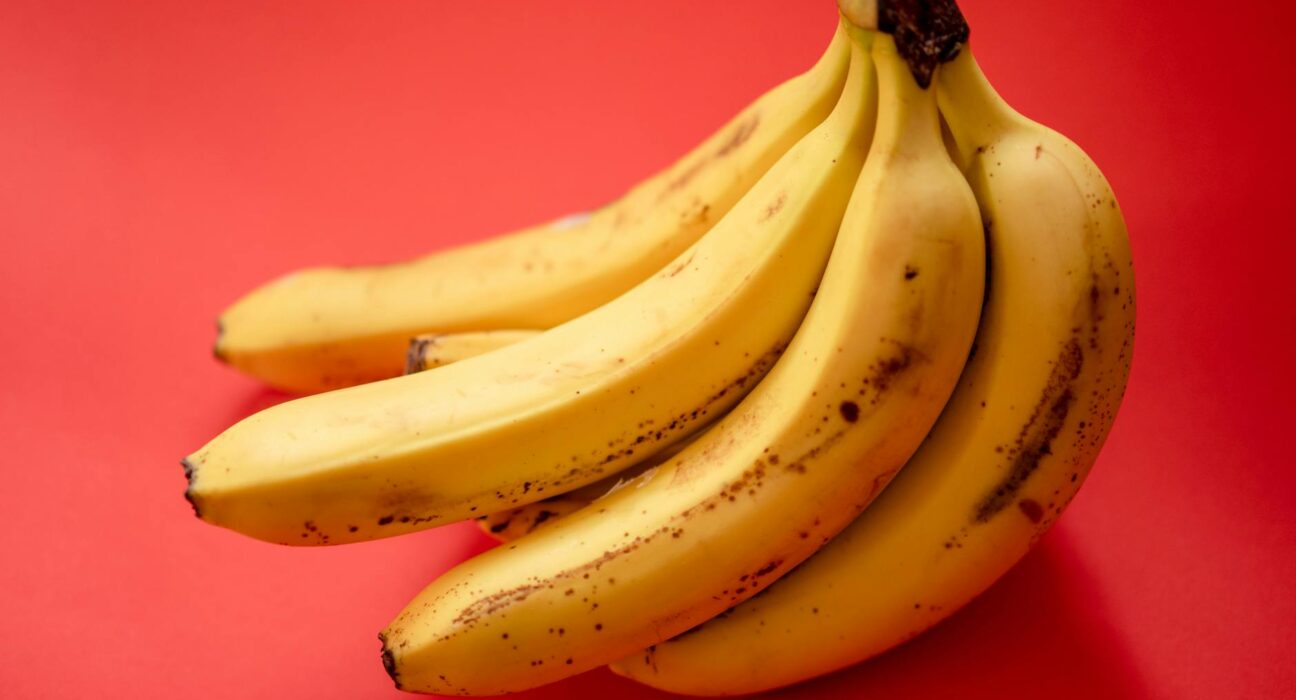
The ketogenic diet often requires careful electrolyte management, particularly potassium. While bananas are off-limits due to their high carbohydrate content, several keto-friendly alternatives exist. These options help maintain muscle function and blood pressure without disrupting ketosis.
Why Potassium Matters on Keto
Low-carb diets increase potassium excretion through urine, a phenomenon documented in studies like Hyde et al. (2019). Their research in JCI Insight showed carbohydrate restriction alters mineral balance independent of weight loss. Adults typically need 3,500–4,700 mg daily, achievable through strategic food choices.
keto electrolyte imbalances can occur if potassium intake falls short. Symptoms include muscle cramps, fatigue, and irregular heartbeat. Unlike high-carb diets where bananas provide quick fixes, keto requires different solutions.
Top Potassium Sources
1. Avocados
A medium avocado (150 g) contains approximately 700 mg potassium – more than a banana per 100 g – with only 2 g net carbs. Tesco sells packs of four ripe avocados for £2.85, making them cost-effective.
2. Spinach
Cooked spinach delivers 840 mg potassium per 180 g serving (about 4 mg per calorie). Frozen spinach at Sainsbury’s costs £1.25 for 900 g, suitable for omelettes or creamed spinach.
3. Salmon
Wild-caught salmon provides 534 mg potassium per 100 g fillet alongside omega-3s. Look for £4.50 reductions on fresh salmon at Morrisons after 7 PM.
What This Means in Practice
UK autumn weather often increases electrolyte needs as heating dries indoor air. A daily meal plan might include:
- Breakfast: Scrambled eggs with 50 g sautéed mushrooms (280 mg)
- Lunch: 100 g roasted chicken thigh with 100 g steamed Swiss chard (380 mg)
- Snack: 30 g pumpkin seeds (260 mg) from Aldi’s £1.09 snack aisle
These combinations deliver over 1,500 mg potassium before dinner. Supplement with bone broth for hydration if needed.
Frequently Asked Questions
Can I use salt substitutes for potassium?
LightSalt (available at Waitrose for £1.89) contains potassium chloride but shouldn’t exceed ¼ tsp daily without medical supervision due to concentrated mineral content.
Do nuts provide enough potassium?
Almonds offer 200 mg per 30 g, useful as part of varied intake. However, their high calorie density means portion control matters.
How does cooking affect potassium levels?
Boiling vegetables loses up to 50% potassium into water. Steaming or roasting preserves more. Use broth from cooked greens in sauces.
The Bottom Line
Maintaining potassium on keto requires prioritising low-carb vegetables, fatty fish, and seeds. Seasonal UK produce like kale and Brussels sprouts become winter staples. If you’d rather not do the macro maths yourself, the Keto Dieting app does it for you on Google Play and the App Store.
References
- Hyde PN, Sapper TN, Crabtree CD, et al. (2019). Dietary carbohydrate restriction improves metabolic syndrome independent of weight loss. JCI Insight. https://doi.org/10.1172/jci.insight.128308
- Volek JS, Phinney SD, Forsythe CE, et al. (2008). Carbohydrate restriction has a more favorable impact on the metabolic syndrome than a low fat diet. Lipids. https://doi.org/10.1007/s11745-008-3274-2