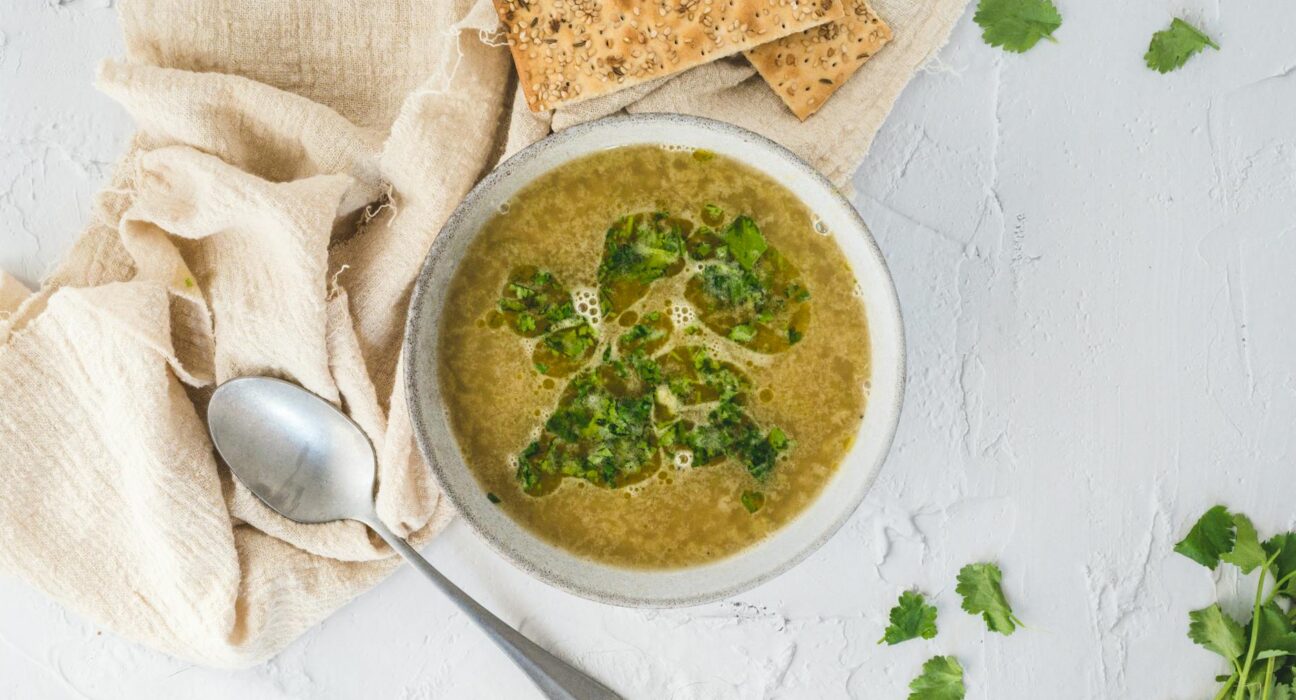
Keto Soup-Making Principles for Flavour and Nutrition
The ketogenic diet transforms how we approach cooking fundamentals, and soup is no exception. With careful attention to ingredients and technique, a well-made keto soup delivers comfort, nutrients, and adherence to macronutrient targets. The principles differ markedly from traditional flour-thickened soups or those relying on starchy vegetables.
Building Flavour Without Carbohydrates
Classic French cuisine uses a mirepoix of onions, carrots, and celery as the aromatic base for soups. For keto versions, replace carrots with celery root (25% of the carbs) or omit entirely. Tesco sells pre-chopped celery root for £1.80 per 300g pack. Browning meats thoroughly before adding liquid develops Maillard reaction flavours, while roasted bones make superior stock. A splash of dry white wine (2g carbs per 50ml) deglazes pans effectively.
keto-friendly thickeners like xanthan gum (¼ tsp per litre) or blended cauliflower provide body without the 15g of carbs found in a tablespoon of plain flour. Full-fat dairy works beautifully in cream-based soups – Sainsbury’s sells double cream at £1.65 for 300ml with just 1.6g carbs per 100ml.
Macronutrient Management in Broths
Clear broths present fewer macro challenges than creamy soups. For every litre of homemade bone broth (using £3.50 chicken carcasses from Morrisons), add 30g of collagen powder to boost protein without affecting flavour. Studies like that of Bueno et al (2013) in the British Journal of Nutrition confirm that adequate protein intake supports satiety during carbohydrate restriction.
When making cream-based soups, balance the high fat content with moderate protein. A classic broccoli and stilton soup might contain 150g full-fat cheese (6g carbs) blended with 200ml cream (3g carbs) and 500g broccoli (15g carbs) – yielding six portions at 4g net carbs each. the keto adaptation timeline explains why such careful accounting matters in early stages.
What This Means in Practice
British winters demand hearty soups, and a well-stocked keto pantry makes spontaneous soup-making possible. Keep frozen cauliflower rice (£1 per 500g at Aldi) for quick thickening, and always have celery, leeks, and mushrooms on hand – these low-carb aromatics form the backbone of many recipes. For those avoiding dairy, coconut milk (3g carbs per 100ml) makes an excellent substitute in curried soups.
Invest in a good immersion blender (£25-£50 range) for silky textures. When batch cooking, remember that soups with dairy don’t freeze as well as clear broths – portion accordingly. A study by Sumithran et al (2013) in the European Journal of Clinical Nutrition found that ketogenic meals significantly influenced appetite hormones, making soups an effective tool for managing hunger between meals.
Texture and Garnish Considerations
Crunchy toppings provide contrast to creamy soups. Try:
- Roasted pork rinds (0g carbs)
- Toasted almond flakes (3g carbs per 10g)
- Crispy fried shallots (2g carbs per 5g)
For herbaceous freshness, stir in chopped parsley or coriander just before serving. South Asian-inspired keto soups benefit from tempered spices – fry mustard seeds, cumin, and curry leaves in ghee to drizzle atop.
Frequently Asked Questions
Can I use pre-made stock cubes for keto soups?
Most supermarket stock cubes contain 1-2g carbs per cube from maltodextrin or sugar. Look for reduced-carb options like Marigold Swiss Vegetable Bouillon (0.8g per serving) or make your own freezer stash from roasted bones.
How do I increase protein in clear soups?
Add shredded cooked chicken (0g carbs), diced tofu (1g per 100g), or whisk in an egg yolk at the end (0.6g per yolk) for richness. Powdered collagen dissolves completely without altering flavour.
Are root vegetables completely off-limits?
Small amounts of lower-carb roots like celeriac (7g net carbs per 100g) or swede (4g) can work in moderation. Always weigh and log them to stay within daily limits.
The Bottom Line
Keto soup-making relies on strategic ingredient swaps, attention to macronutrient balance, and layered flavour techniques. By focusing on quality fats, moderate protein, and minimal net carbs, soups become sustaining meals rather than dietary compromises. The principles scale from simple weekday lunches to impressive dinner party starters. If you’d rather not do the macro maths yourself, the Keto Dieting app does it for you on Google Play and the App Store.
References
- Bueno NB, de Melo IS, de Oliveira SL, da Rocha Ataide T (2013). Very-low-carbohydrate ketogenic diet v. low-fat diet for long-term weight loss: a meta-analysis of randomised controlled trials. British Journal of Nutrition. https://doi.org/10.1017/S0007114513000548
- Sumithran P, Prendergast LA, Delbridge E, et al. (2013). Ketosis and appetite-mediating nutrients and hormones after weight loss. European Journal of Clinical Nutrition. https://doi.org/10.1038/ejcn.2013.90