

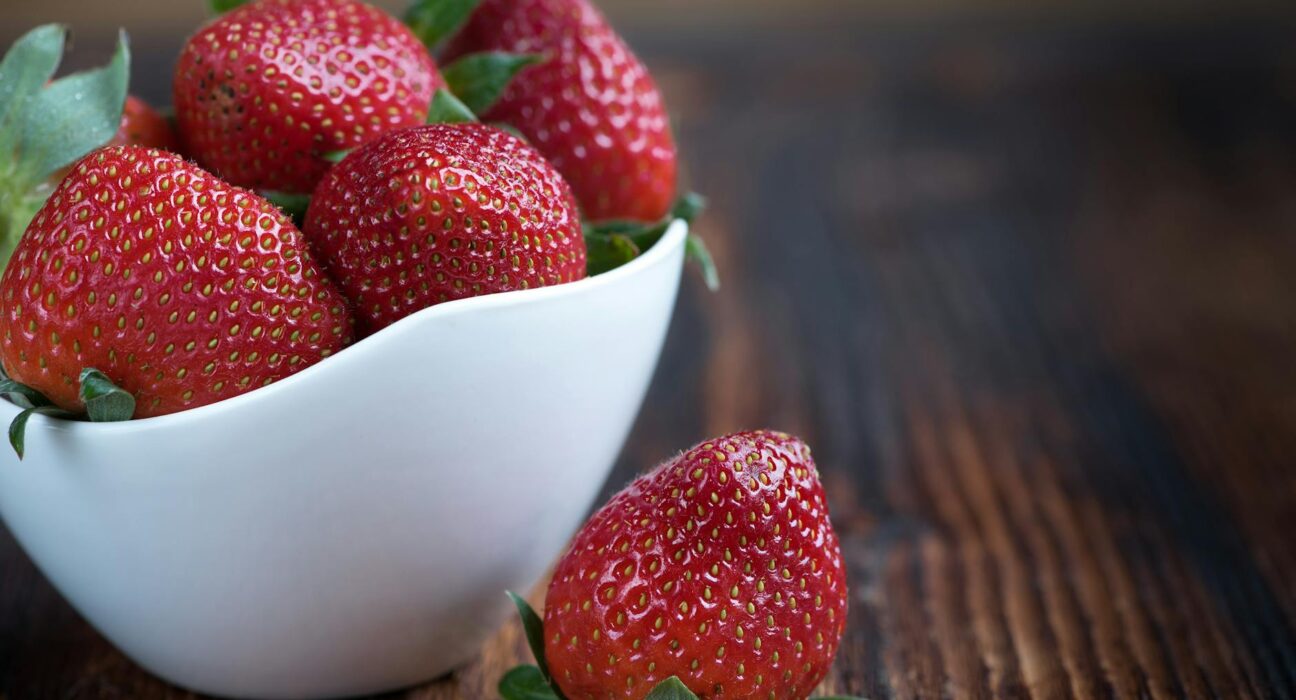
Keto-Friendly Berries: Strawberries, Raspberries, Blackberries
The ketogenic diet restricts carbohydrates to induce ketosis, a metabolic state where the body burns fat for fuel. Berries, despite their sweetness, can fit into this regime when chosen carefully. Strawberries, raspberries, and blackberries offer fibre and nutrients with relatively low net carbs compared to other fruits.
Why berries work on keto
Berries contain natural sugars but are also rich in fibre, which slows glucose absorption. A 100 g serving of raspberries has just 5 g net carbs, strawberries 6 g, and blackberries 5 g. Their glycemic load is low, meaning they’re less likely to spike blood sugar. the keto adaptation timeline varies, but these berries rarely disrupt ketosis when eaten in moderation.
Research supports the inclusion of low-glycemic fruits in carbohydrate-restricted diets. A 2013 meta-analysis found very-low-carbohydrate diets effective for weight management, with room for strategic fruit choices (Bueno et al., 2013). Another study noted improved metabolic markers with carb restriction, including better blood sugar control (Hyde et al., 2019).
Nutrient profiles compared
- Strawberries (100 g): 32 kcal, 7.7 g total carbs, 2 g fibre (5.7 g net), 89% water
- Raspberries (100 g): 52 kcal, 11.9 g total carbs, 6.5 g fibre (5.4 g net), 86% water
- Blackberries (100 g): 43 kcal, 9.6 g total carbs, 5.3 g fibre (4.3 g net), 88% water
All three provide vitamin C, manganese, and antioxidants like anthocyanins. Blackberries lead in fibre, while strawberries have the lowest calorie density.
What this means in practice
UK supermarkets stock these berries year-round, with seasonal peaks affecting price and flavour. In summer, British-grown strawberries at Tesco drop to £2 for 400 g, while winter imports cost nearly double. Frozen berries are a cost-effective alternative – Sainsbury’s sells 1 kg frozen raspberries for £4.50, with identical carb counts to fresh.
Pair berries with high-fat foods to balance macros. Try 50 g raspberries with 30 g clotted cream (3 g net carbs total), or blend blackberries into a smoothie with almond butter and unsweetened almond milk.
Storage and preparation tips
- Refrigerate fresh berries unwashed in a paper towel-lined container; they last 2-3 days
- Freeze surplus berries on a tray before bagging to prevent clumping
- Thaw frozen berries slightly for yoghurt toppings, or blend directly into shakes
Frequently asked questions
Can I eat berries daily on keto?
Yes, in controlled portions. Stick to 50-75 g per serving (about a handful) and account for the carbs in your daily limit. Those targeting under 20 g net carbs daily might reserve berries for occasional treats.
Are blueberries keto-friendly?
Blueberries have nearly double the net carbs of blackberries (12 g per 100 g). They can fit in tiny amounts but aren’t as practical for strict keto as common keto electrolyte mistakes are to avoid.
Do berries kick you out of ketosis?
Unlikely in moderate servings. Individual tolerance varies – some people test ketone levels after eating berries to confirm they remain in ketosis.
The bottom line
Strawberries, raspberries, and blackberries are among the most keto-compatible fruits, offering flavour and nutrition without excessive carbs. Their fibre content and low glycemic impact make them strategic choices for dessert or snacks. If you’d rather not do the macro maths yourself, the Keto Dieting app does it for you on Google Play and the App Store.
References
- Bueno NB, de Melo IS, de Oliveira SL, da Rocha Ataide T (2013). Very-low-carbohydrate ketogenic diet v. low-fat diet for long-term weight loss: a meta-analysis of randomised controlled trials. British Journal of Nutrition. https://doi.org/10.1017/S0007114513000548
- Hyde PN, Sapper TN, Crabtree CD, et al. (2019). Dietary carbohydrate restriction improves metabolic syndrome independent of weight loss. JCI Insight. https://doi.org/10.1172/jci.insight.128308