
Keto and Endometriosis: The Inflammation Link
The ketogenic diet is gaining attention for its potential role in managing chronic inflammatory conditions. For women with endometriosis, where inflammation drives pain and tissue growth, dietary changes may offer support alongside medical treatment.
How Endometriosis and Inflammation Connect
Endometriosis occurs when tissue similar to the uterine lining grows outside the womb. This misplaced tissue responds to hormonal cycles, causing inflammation, scarring, and often severe pelvic pain. Research shows women with endometriosis typically have higher levels of inflammatory markers like interleukin-6 and C-reactive protein.
The Ketogenic Diet’s Anti-Inflammatory Effects
A 2017 review in Nutrients (Kosinski & Jornayvaz) found ketogenic diets reduce several inflammatory markers. By minimising carbohydrate intake, the body produces fewer reactive oxygen species during metabolism. Ketones themselves, particularly beta-hydroxybutyrate, appear to directly inhibit the NLRP3 inflammasome – a key driver of inflammatory pathways.
the keto adaptation timeline varies, but many women report noticing changes in inflammatory symptoms within 4-6 weeks. This aligns with research showing ketone bodies reach stable levels after about a month of consistent carbohydrate restriction.
Hormonal Considerations
Endometriosis is an estrogen-dependent condition. Some studies suggest ketogenic diets may help modulate estrogen metabolism. A 2005 pilot study (Mavropoulos et al.) found women with PCOS – another hormone-sensitive condition – saw improved hormone profiles on keto. While not identical to endometriosis, these findings hint at potential mechanisms worth further study.
What This Means in Practice
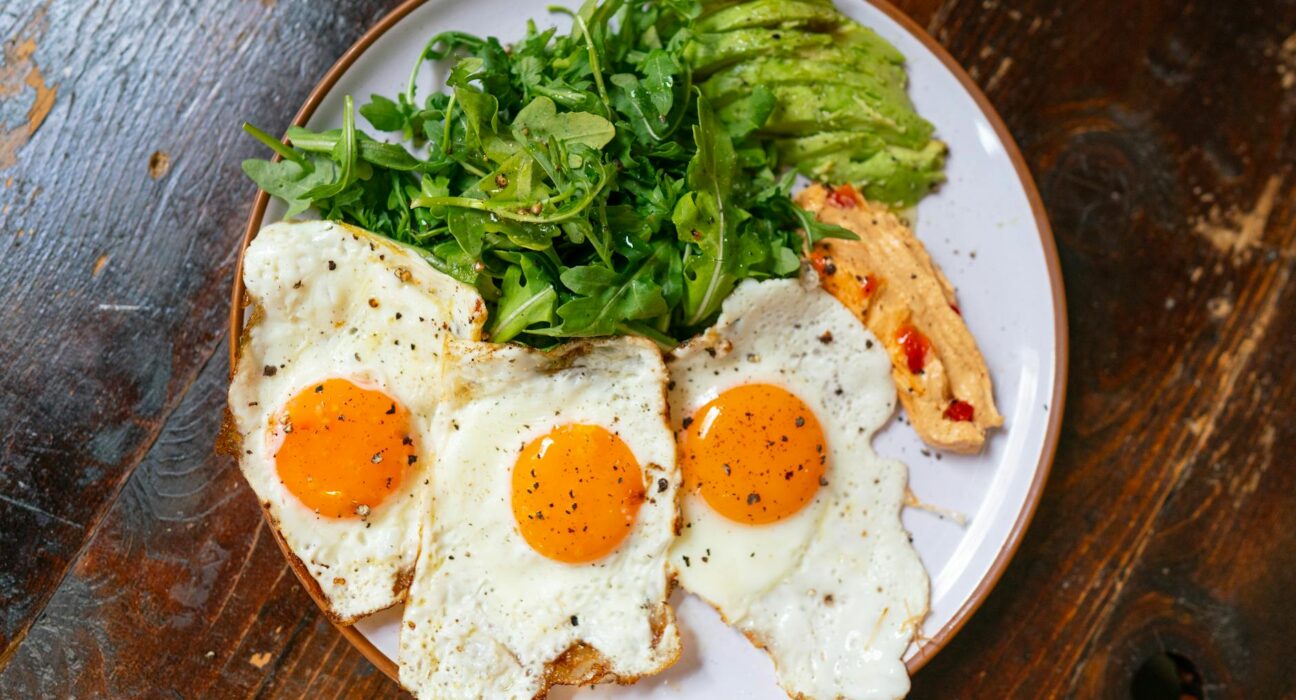
Building an anti-inflammatory keto approach means focusing on:
- Fatty fish like salmon (£5.50 for two fillets at Sainsbury’s)
- Leafy greens and cruciferous vegetables
- Olive oil and avocados
- Avoiding processed seed oils
Many women find winter months hardest for endometriosis symptoms. Warming keto meals like curries with turmeric or ginger tea may provide comfort during colder weather while supporting inflammation management.
Potential Challenges
Some women report temporary changes in menstrual cycles when starting keto, likely due to fat cell release of stored hormones. This typically stabilises within 2-3 cycles. Ensuring adequate common keto electrolyte mistakes are avoided helps manage energy levels during adaptation.
Frequently Asked Questions
Can keto cure endometriosis?
No diet can cure endometriosis, as it’s a complex gynaecological condition. However, a well-formulated ketogenic approach may help manage inflammation and pain symptoms for some women, alongside medical treatment.
How long before noticing changes?
Most women report subtle improvements in pain levels or energy within 4-6 weeks, though full adaptation takes longer. Individual responses vary based on factors like diet adherence and baseline inflammation.
Are sweeteners allowed?
Some artificial sweeteners may trigger inflammation. Natural options like stevia or erythritol are generally better tolerated, though moderation remains key.
The Bottom Line
While research specifically on ketogenic diets and endometriosis remains limited, the mechanisms by which keto modulates inflammation show promise. Women considering this approach should work with their healthcare team, particularly if using hormonal treatments. Tracking food intake and symptoms helps identify personal triggers and benefits. If you’d rather not do the macro maths yourself, the Keto Dieting app does it for you on Google Play and the App Store.
References
- Kosinski C, Jornayvaz FR (2017). Effects of Ketogenic Diets on Cardiovascular Risk Factors: Evidence from Animal and Human Studies. Nutrients. https://doi.org/10.3390/nu9050517
- Mavropoulos JC, Yancy WS, Hepburn J, Westman EC (2005). The effects of a low-carbohydrate, ketogenic diet on the polycystic ovary syndrome: a pilot study. Nutrition & Metabolism. https://doi.org/10.1186/1743-7075-2-35