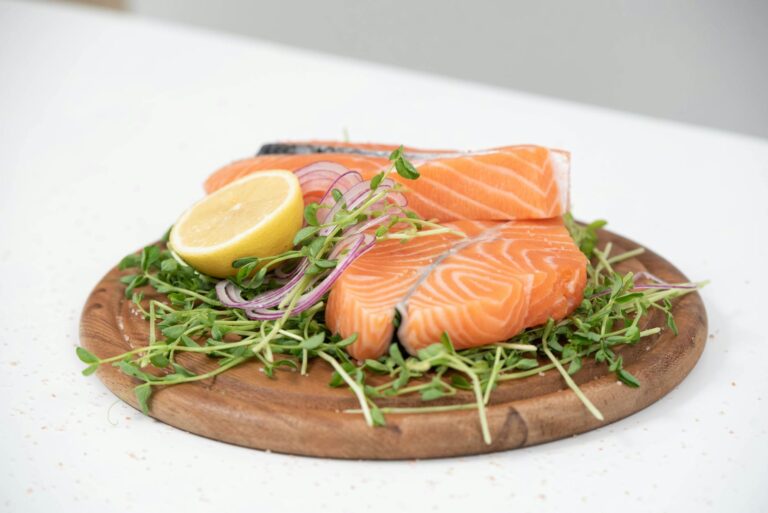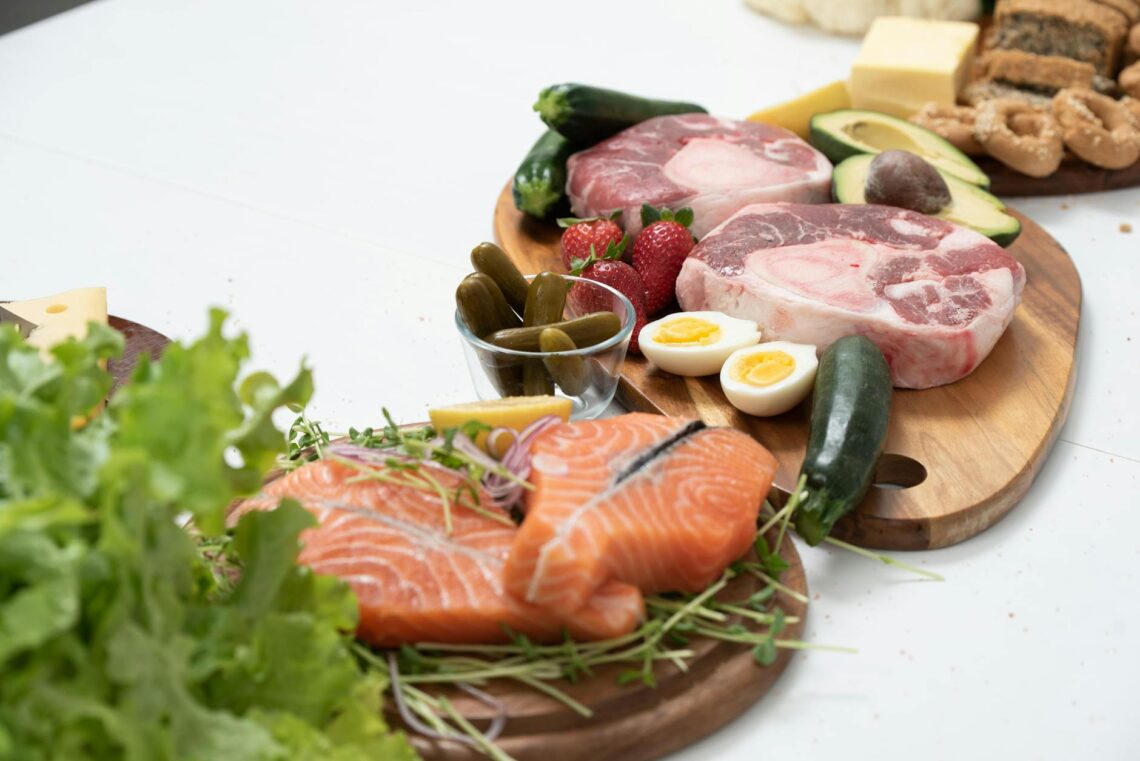
A ketogenic diet works by shifting your body’s fuel source from carbohydrates to fat. The 7-day keto meal plan anyone can follow is not about restriction or deprivation—it is about eating real food in proportions that keep you in ketosis. This pillar guide walks you through seven days of practical, UK-friendly meals with exact macros, shopping lists, and the science behind why this structure works.
Most people who struggle with keto do so because they guess at portions or eat foods they assume are keto-friendly but aren’t. A structured meal plan removes that guesswork. You will know what to buy, what to cook, and why each meal matters.
How Ketosis Works and Why Meal Structure Matters
When you eat fewer than 20–50 grams of carbohydrate per day, your liver begins to convert fat into ketone bodies. These ketones become your brain and muscles’ primary fuel. The transition takes 3–7 days, and during this time your appetite naturally decreases—a phenomenon linked to changes in ghrelin and peptide YY, the hormones that signal hunger.
A structured meal plan ensures you stay within your carbohydrate ceiling without constant calculation. Research shows that people who follow a defined eating pattern—rather than free-form low-carb eating—maintain ketosis more reliably and report better adherence over 12 months.
The macronutrient split for this plan is approximately 70–75% fat, 20–25% protein, and 5–10% carbohydrate. This ratio is not arbitrary. It reflects the threshold at which most adults reliably enter and maintain ketosis. Individual variation exists; some people tolerate slightly higher carbohydrate intake, others need to go lower. The plan below is a starting point.
Meal timing is secondary to total intake. Some people eat two meals a day, others three. What matters is that each day’s total carbohydrate, protein, and fat align with the target macros. the keto adaptation timeline explains why your first week may feel different from week two onwards.
Macronutrient Targets for This 7-Day Plan
For a typical UK adult (70 kg, moderate activity), daily targets are:
- Energy: 1,800–2,000 kcal
- Fat: 135–150 g
- Protein: 90–110 g
- Carbohydrate: 20–30 g
These are estimates. If you weigh significantly more or less, or if you exercise intensely, your protein and energy needs will differ. A person living with obesity may start at 1,500 kcal; an athlete may need 2,500. Adjust proportionally.
Protein is the only macronutrient with a firm floor: 0.8–1.2 g per kilogram of body weight prevents muscle loss during weight loss. Fat and carbohydrate are flexible within the ranges above. Most people find that 25–30 g of carbohydrate per day is the practical sweet spot—low enough to sustain ketosis, high enough to include non-starchy vegetables and dairy.
Bueno et al. (2013) analysed 13 randomised controlled trials and found that ketogenic diets produced greater weight loss than low-fat diets over 12 months, with no significant difference in adverse events. The consistency of macronutrient intake—not just the diet type—predicted long-term success.
The 7-Day Meal Plan: Day by Day
Day 1
Breakfast: 3 eggs fried in 30 g butter, 100 g spinach, 1 slice of cheddar cheese (30 g).
- Fat: 38 g | Protein: 24 g | Carbs: 2 g
Lunch: 150 g grilled chicken breast, 100 g broccoli tossed in 15 ml olive oil, 50 g mixed nuts.
- Fat: 32 g | Protein: 42 g | Carbs: 8 g
Dinner: 180 g salmon fillet, 150 g asparagus with 20 g butter, small side salad (50 g mixed leaves, 15 ml olive oil dressing).
- Fat: 42 g | Protein: 38 g | Carbs: 4 g
Daily total: Fat 112 g | Protein 104 g | Carbs 14 g | ~1,900 kcal
Day 2
Breakfast: 2 tbsp almond butter, 1 medium avocado (100 g), 30 g full-fat Greek yoghurt.
- Fat: 35 g | Protein: 12 g | Carbs: 6 g
Lunch: 120 g beef mince (80/20), cooked with 100 g courgette and 20 g butter, 50 g cheddar.
- Fat: 38 g | Protein: 38 g | Carbs: 5 g
Dinner: 150 g pork chop, 150 g green beans with 15 ml olive oil, 30 g macadamia nuts.
- Fat: 42 g | Protein: 36 g | Carbs: 7 g
Daily total: Fat 115 g | Protein 86 g | Carbs 18 g | ~1,880 kcal
Day 3
Breakfast: Omelette: 3 eggs, 50 g mushrooms, 30 g cheddar, 20 g butter.
- Fat: 36 g | Protein: 22 g | Carbs: 3 g
Lunch: 150 g tinned tuna (in oil, drained), 100 g celery, 2 tbsp mayonnaise, 50 g walnuts.
- Fat: 40 g | Protein: 32 g | Carbs: 4 g
Dinner: 180 g lamb chops, 150 g cauliflower rice fried in 20 g ghee, side salad (50 g leaves, 15 ml oil).
- Fat: 44 g | Protein: 40 g | Carbs: 6 g
Daily total: Fat 120 g | Protein 94 g | Carbs 13 g | ~1,950 kcal
Day 4
Breakfast: 2 rashers bacon, 2 eggs scrambled in 15 g butter, 100 g tomato (grilled).
- Fat: 28 g | Protein: 18 g | Carbs: 4 g
Lunch: 150 g chicken thigh, 150 g broccoli with 20 g butter, 30 g parmesan.
- Fat: 38 g | Protein: 40 g | Carbs: 6 g
Dinner: 120 g white fish (cod or haddock), 150 g green beans, 30 g butter, 50 g almonds.
- Fat: 44 g | Protein: 32 g | Carbs: 5 g
Daily total: Fat 110 g | Protein 90 g | Carbs 15 g | ~1,850 kcal
Day 5
Breakfast: Full-fat Greek yoghurt (100 g), 30 g granola (low-carb), 1 tbsp almond butter.
- Fat: 22 g | Protein: 14 g | Carbs: 8 g
Lunch: 150 g beef steak, 150 g mushrooms sautéed in 20 g olive oil, 50 g mixed nuts.
- Fat: 42 g | Protein: 42 g | Carbs: 5 g
Dinner: 150 g pork belly, 150 g bok choy with 15 g sesame oil, small avocado (50 g).
- Fat: 46 g | Protein: 36 g | Carbs: 6 g
Daily total: Fat 110 g | Protein 92 g | Carbs 19 g | ~1,900 kcal
Day 6
Breakfast: 3 eggs, 100 g spinach, 30 g feta, 15 g olive oil.
- Fat: 34 g | Protein: 22 g | Carbs: 3 g
Lunch: 150 g chicken breast, 150 g cauliflower rice, 20 g butter, 30 g cheddar.
- Fat: 32 g | Protein: 44 g | Carbs: 5 g
Dinner: 180 g salmon, 150 g asparagus, 20 g butter, 50 g Brazil nuts.
- Fat: 48 g | Protein: 38 g | Carbs: 4 g
Daily total: Fat 114 g | Protein 104 g | Carbs 12 g | ~1,920 kcal
Day 7
Breakfast: 2 tbsp peanut butter, 100 g avocado, 30 g full-fat cream cheese.
- Fat: 36 g | Protein: 12 g | Carbs: 5 g
Lunch: 120 g beef mince (80/20), 100 g courgette, 20 g butter, 50 g cheddar.
- Fat: 38 g | Protein: 38 g | Carbs: 5 g
Dinner: 150 g pork chop, 150 g green beans, 20 g olive oil, 50 g macadamia nuts.
- Fat: 42 g | Protein: 36 g | Carbs: 7 g
Daily total: Fat 116 g | Protein 86 g | Carbs 17 g | ~1,900 kcal
What This Means in Practice
This meal plan uses foods available at every major UK supermarket. A typical weekly shop at Tesco or Sainsbury’s for one person costs £35–45. Here is a realistic breakdown:
- 18 eggs: £2.50
- 1 kg chicken breast: £5.50
- 500 g salmon: £4.80
- 500 g beef mince: £3.20
- 250 g butter: £1.80
- 200 g cheddar: £2.40
- Mixed vegetables (broccoli, spinach, asparagus, green beans): £6.00
- Oils and nuts: £8.00
- Bacon, pork, lamb: £8.00
You will repeat this shop weekly. Costs drop if you buy own-brand products at Aldi or Lidl, or if you buy in bulk from Costco.
The plan assumes you have basic kitchen equipment: a frying pan, a chopping board, and a scale. Weighing food for the first two weeks is essential; after that, most people develop an intuitive sense of portion size. Do not skip this step. Underestimating portion size is the most common reason people fail to enter ketosis.
Timing matters less than total intake. If you prefer to eat only twice a day, combine breakfast and lunch, or lunch and dinner. If you prefer three meals, split the macros evenly. Some people find that skipping breakfast (eating only at noon and 6 p.m.) reduces appetite and simplifies planning. There is no metabolic advantage to eating at specific times; consistency and total carbohydrate intake are what drive ketosis.
During the first week, you may experience headache, fatigue, or irritability—the “keto flu.” This is not a sign of danger; it reflects your body’s adaptation to a new fuel source. It typically resolves within 3–5 days. Drinking water with a pinch of salt and ensuring you eat enough fat (not protein) speeds recovery. common keto electrolyte mistakes are a frequent cause of unnecessary discomfort.
Shopping List and Prep Strategy
Print this list and take it with you:
Proteins: Eggs, chicken breast, salmon, beef mince (80/20), pork chops, lamb chops, bacon, tinned tuna, white fish.
Fats: Butter, olive oil, ghee, coconut oil, avocados, nuts (almonds, walnuts, macadamias, Brazil nuts), nut butters, full-fat dairy (cheddar, feta, cream cheese, Greek yoghurt).
Vegetables: Spinach, broccoli, asparagus, green beans, courgette, mushrooms, cauliflower, bok choy, celery, tomato (small amounts).
Seasonings: Salt, pepper, garlic, herbs. Avoid sugar-sweetened sauces; use oil-based dressings.
Prep strategy: On Sunday, grill 4–5 chicken breasts and store in the fridge. Roast a tray of broccoli and asparagus. Hard-boil 6 eggs. Cook a batch of cauliflower rice. This takes 90 minutes and means weekday meals are 10-minute assembly jobs.
Adjusting the Plan for Your Body
If you lose weight quickly (more than 1 kg per week), you may be in too large a calorie deficit. Add 100–150 kcal by increasing fat (e.g., an extra 15 g of butter or oil). If you feel hungry after two weeks, increase protein slightly (add 20 g per day) and monitor appetite.
If you have type 2 diabetes or take blood pressure medication, consult your GP before starting. Ketogenic diets can lower blood glucose and blood pressure rapidly; medication doses may need adjustment. Hallberg et al. (2018) followed 262 people with type 2 diabetes on a ketogenic diet and found that 60% achieved remission (HbA1c below 5.7%) within one year, but 94% required medication adjustment during the first month. This is not a contraindication; it is a reason to work with your healthcare team.
If you are a woman and experience irregular periods after 2–3 months, reduce your calorie deficit slightly (add 150–200 kcal) and ensure you are eating enough carbohydrate on training days (up to 50 g). Extreme calorie restriction on keto can suppress reproductive hormones; this is reversible with modest increases in energy intake.
Frequently Asked Questions
Q: Do I have to eat exactly these meals?
A: No. These meals are templates. Swap chicken for beef, broccoli for cauliflower, olive oil for butter. The macros matter; the specific food does not. Use the ratios as your guide.
Q: Can I eat out on this plan?
A: Yes. Order grilled meat or fish, ask for vegetables cooked in butter, skip the bread and rice. Most UK restaurants can accommodate this. Avoid sauces with sugar (ketchup, sweet chilli, teriyaki). Ask for oil-based dressing on salads.
Q: What if I go over 30 g carbs one day?
A: One day over target will not stop ketosis. If it happens regularly, you will slip out of ketosis and hunger will return. Aim for consistency, not perfection. Most people find that 80% adherence produces 90% of the results.
Q: Is this plan safe long-term?
A: Ketogenic diets have been studied for up to two years in controlled trials with no serious adverse events. Kosinski and Jornayvaz (2017) reviewed cardiovascular markers and found that well-formulated ketogenic diets do not increase heart disease risk; in fact, triglycerides and blood pressure often improve. Speak to your GP if you have existing heart disease or high cholesterol.
Q: Can I drink alcohol?
A: Dry wine and spirits (whisky, vodka, gin) contain negligible carbohydrate. Beer and sweet cocktails do not. One unit of spirits has zero carbs; one glass of dry wine has 1–2 g. Count these toward your daily carb limit.
The Bottom Line
The 7-day keto meal plan anyone can follow removes the guesswork from ketogenic eating. Seven days of structured meals, with macros calculated and UK supermarket prices transparent, gives you a repeatable template for the first month. After that, you will understand portion sizes and can adapt meals to your preference. The science is clear: consistency in carbohydrate intake, not calorie counting alone, drives ketosis and the appetite suppression that follows. If you’d rather not do the macro maths yourself, the Keto Dieting app does it for you on Google Play and the App Store.
References
- Bueno NB, de Melo IS, de Oliveira SL, da Rocha Ataide T (2013). Very-low-carbohydrate ketogenic diet v. low-fat diet for long-term weight loss: a meta-analysis of randomised controlled trials. British Journal of Nutrition. https://doi.org/10.1017/S0007114513000548
- Hallberg SJ, McKenzie AL, Williams PT, et al. (2018). Effectiveness and Safety of a Novel Care Model for the Management of Type 2 Diabetes at 1 Year: An Open-Label, Non-Randomized, Controlled Study. Diabetes Therapy. https://doi.org/10.1007/s13300-018-0373-9
- Kosinski C, Jornayvaz FR (2017). Effects of Ketogenic Diets on Cardiovascular Risk Factors: Evidence from Animal and Human Studies. Nutrients. https://doi.org/10.3390/nu9050517
- Sumithran P, Prendergast LA, Delbridge E, et al. (2013). Ketosis and appetite-mediating nutrients and hormones after weight loss. European Journal of Clinical Nutrition. https://doi.org/10.1038/ejcn.2013.90